"Was good but telescopes not as powerful as expected"
Month by Month
When to Stargaze in Atacama
April to September, near the new moon.
From
$65
per person
Free cancellation
- 4.9 / 5 131+ Reviews
- About 2 hours Duration
- 2 × 16-inch Telescopes
- <50% Moon Lunar Rule
- Free Cancellation
Book Your Experience
Check Availability & Prices
Select your preferred date and time. Instant confirmation — free cancellation up to 24 hours before departure.
The Experience
Why The Roofless Suits a Well-Timed Night
Two 16-inch telescopes, hotel pickup and a strict under-50% moon rule, from $65 per person.
Highlights
- Deep-sky views of nebulae and galaxies through two 16-inch telescopes
- Darker skies by design: the tour runs only below 50% lunar illumination
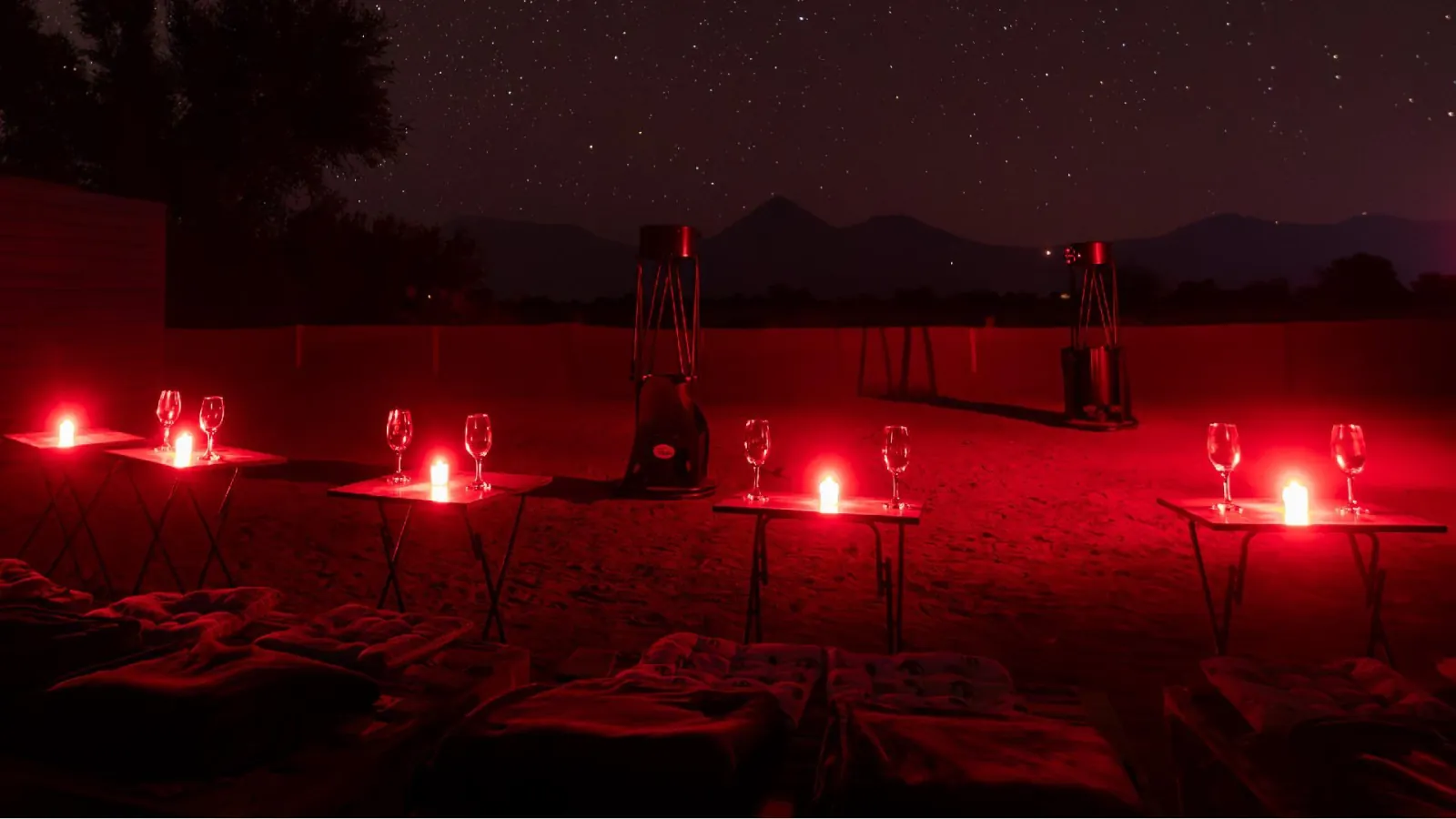
- A red-lit setup with low tables, cushions and thermal blankets
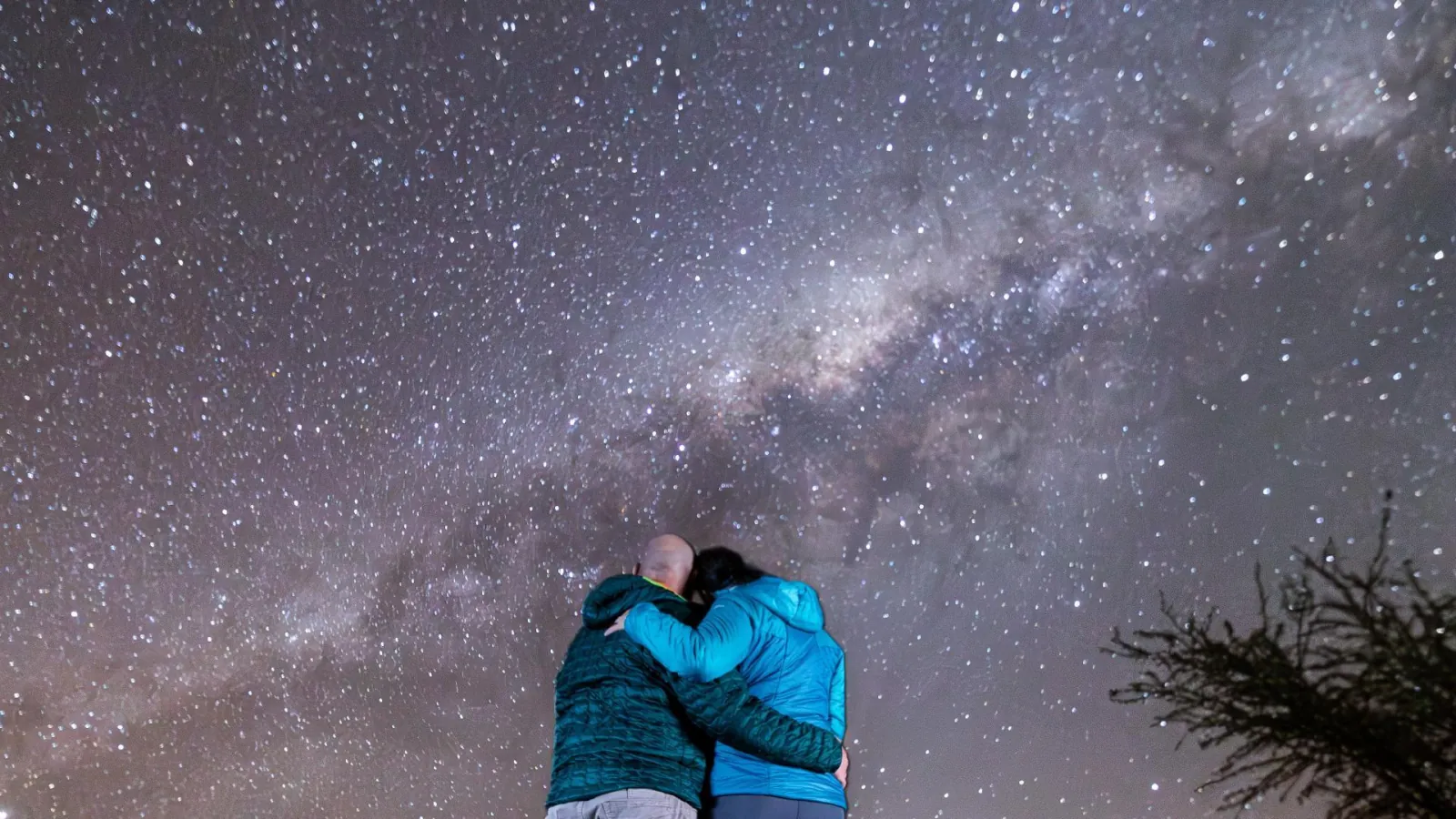
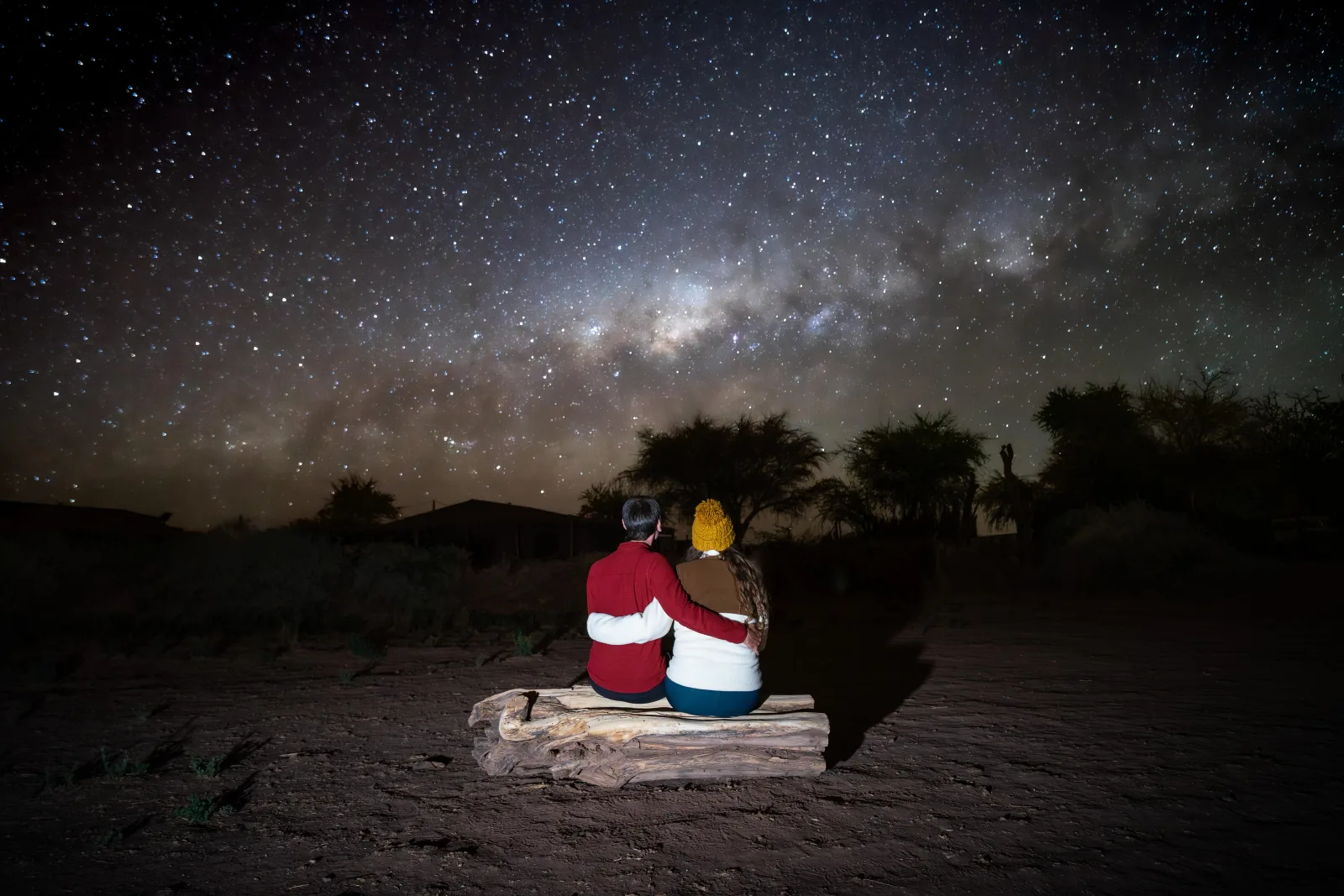
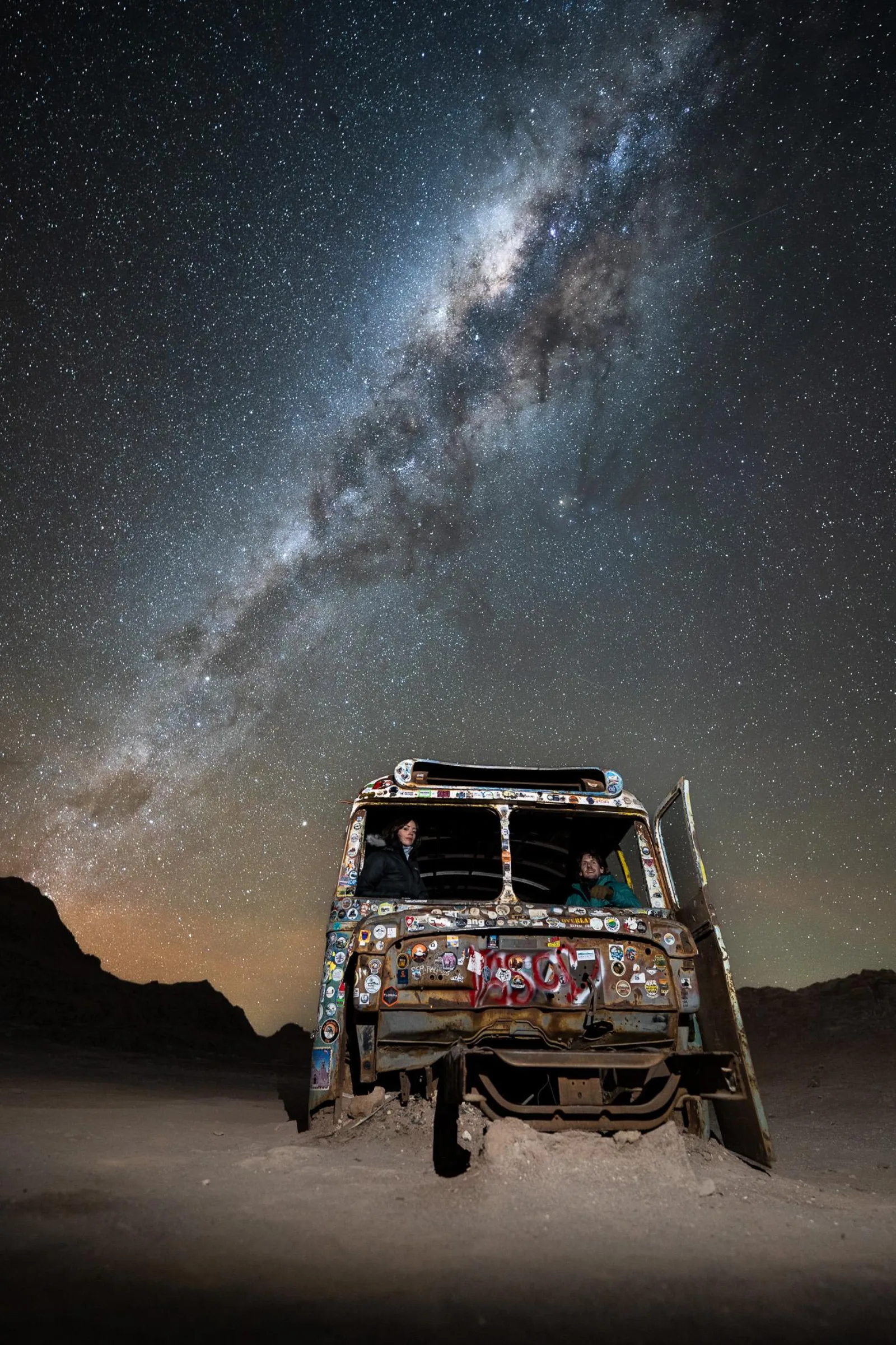
- A professional portrait of you under the desert sky
- Guidance from Jhonatan, an ACEAP 2026 Ambassador, and his team
What's Included
- Observation with two 16-inch telescopes
- Hotel pickup and drop-off in San Pedro de Atacama
- Astronomy talk by the guide team in English or Spanish
- Individual snacks with Cabernet Sauvignon, hot chocolate or decaffeinated tea
- Thermal blankets during the observation
- One professional photograph per person
How The Roofless Experience Works
Hotel pickup, a short drive out of San Pedro, telescopes, a portrait and the ride back.
Pick a dark date
Check the moon calendar on this page. The tour runs only when the moon is less than 50% lit, and you can cancel free up to 24 hours before on GetYourGuide.
Pickup in San Pedro
The van collects you roughly 19:30–20:00 from March to August and later in summer, then drives about 30 minutes out of town.
Talk and telescopes
An astronomy talk, then deep-sky views through two 16-inch telescopes, with thermal blankets, wine, hot chocolate or tea and snacks.
Portrait and return
Each guest gets one professional photo under the stars, so wear colorful clothes. The van then takes you back to San Pedro.
Photo Gallery
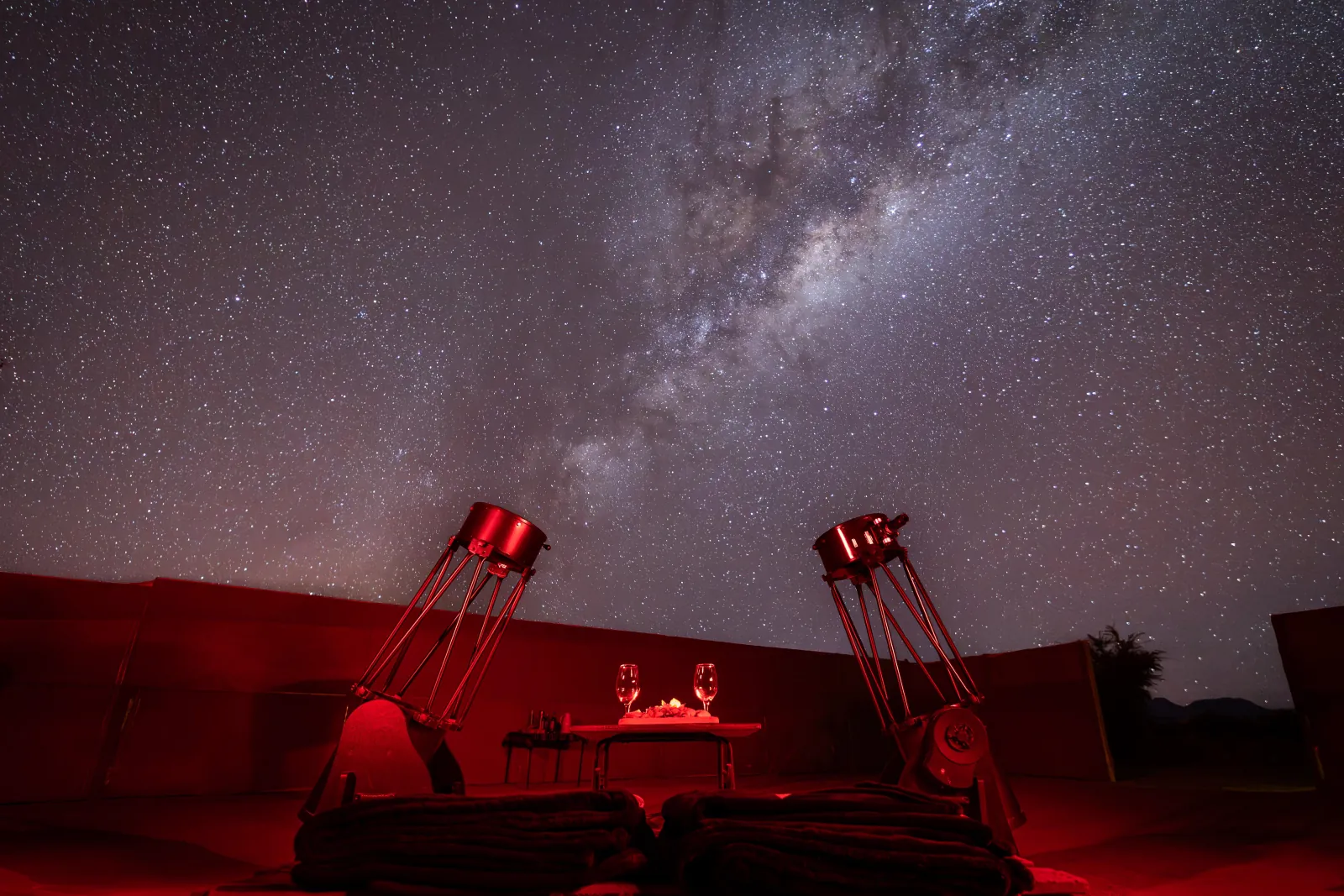
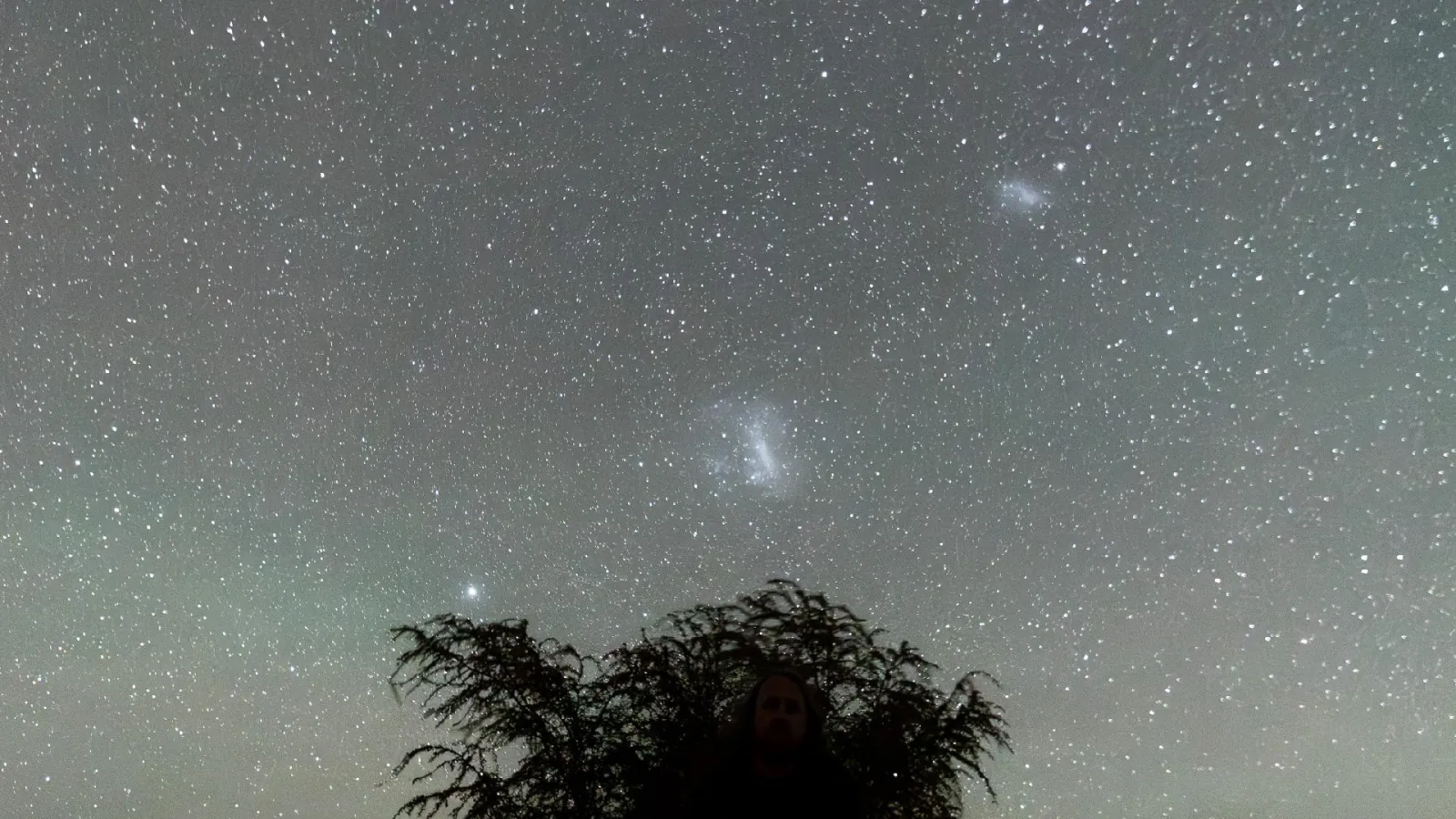
The Roofless Experience Under Atacama Skies
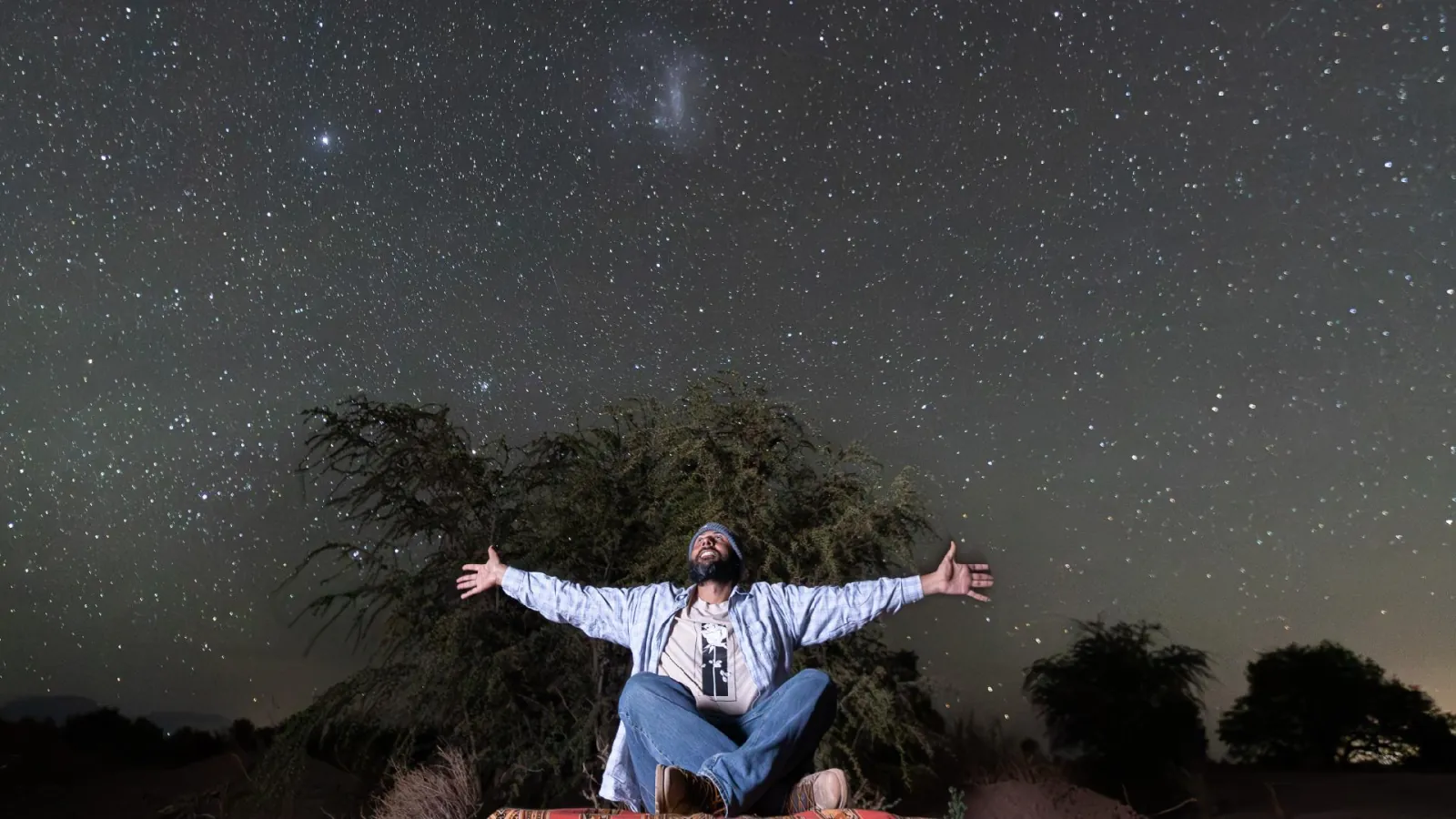
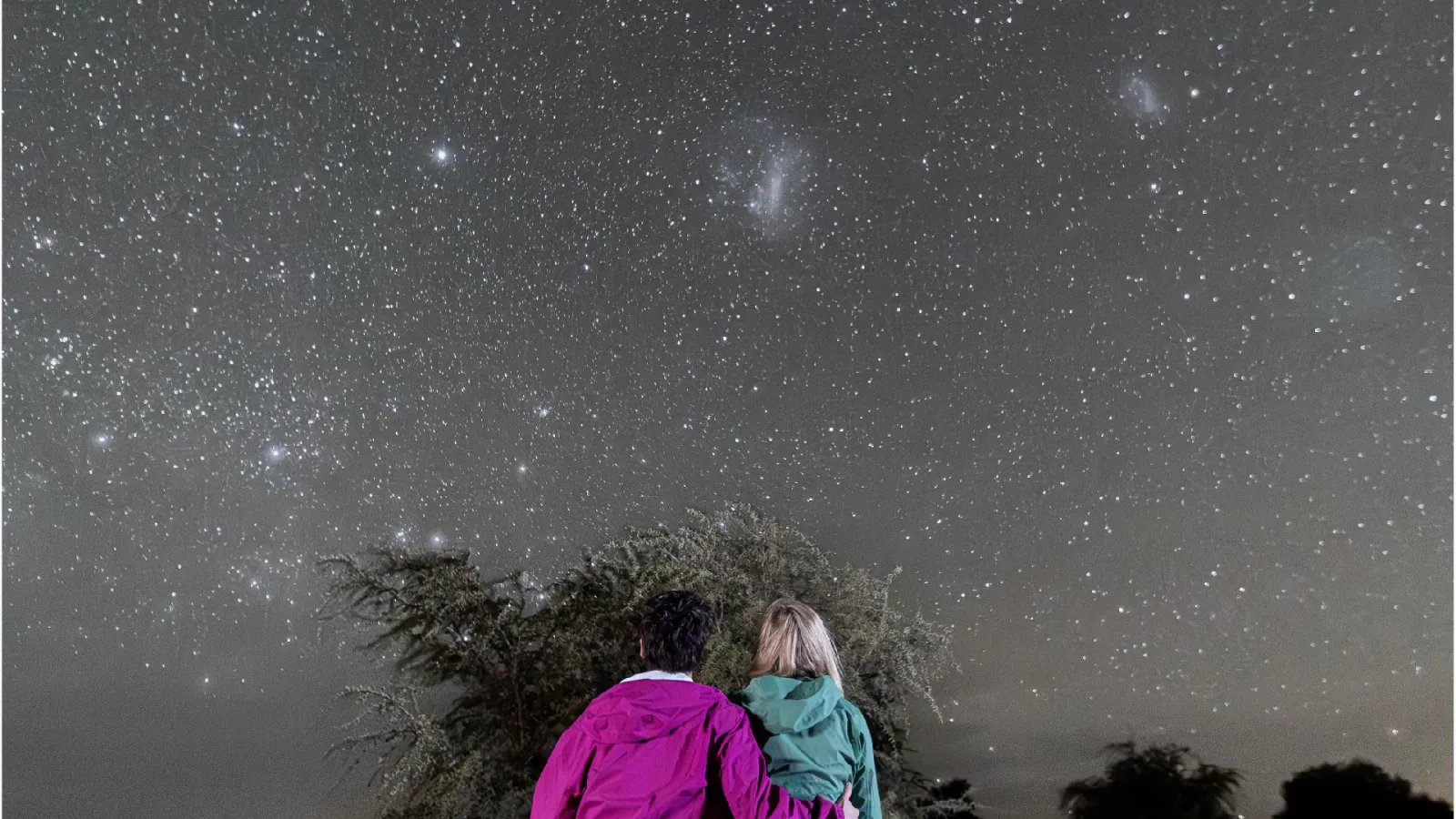
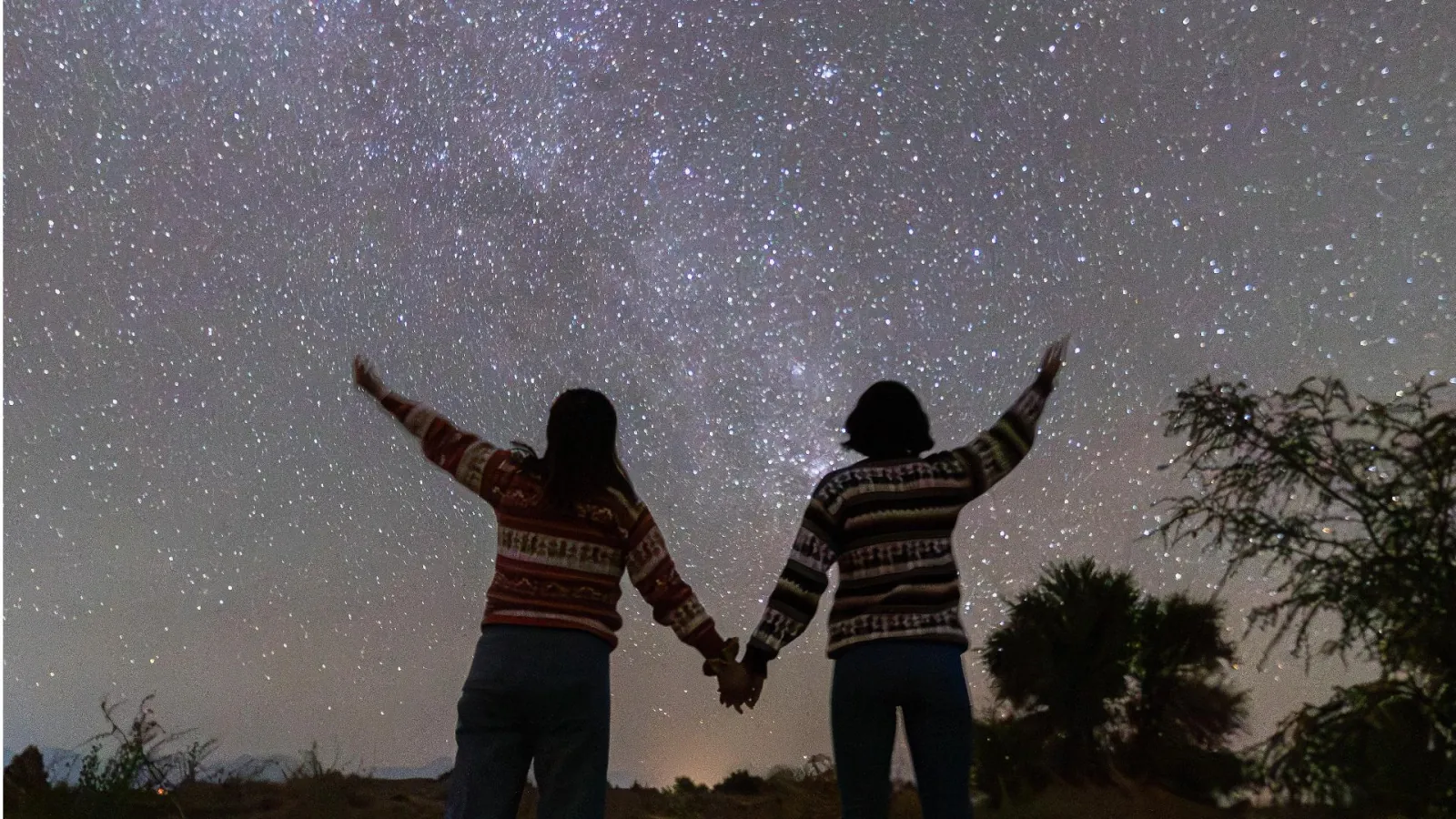
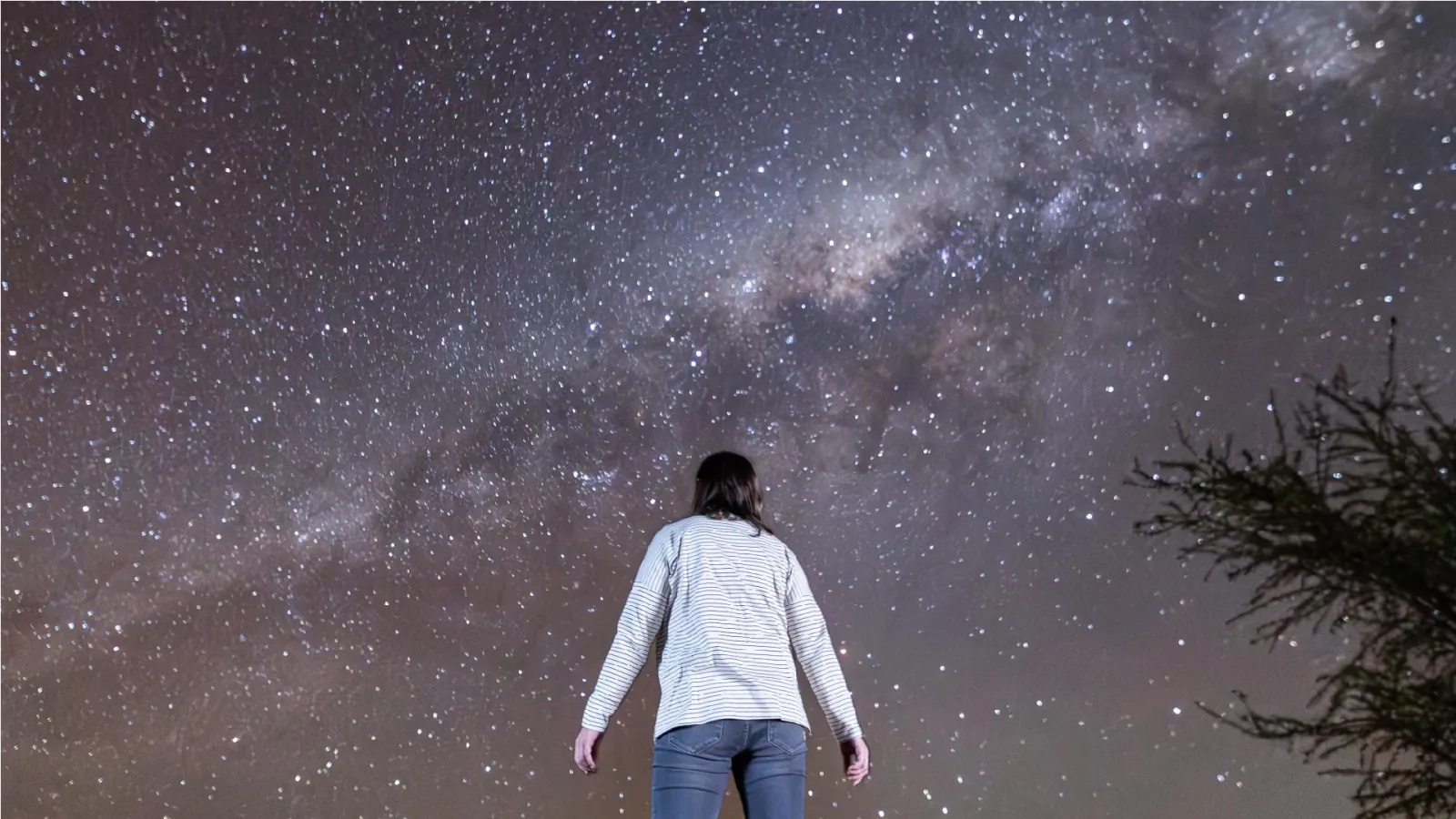
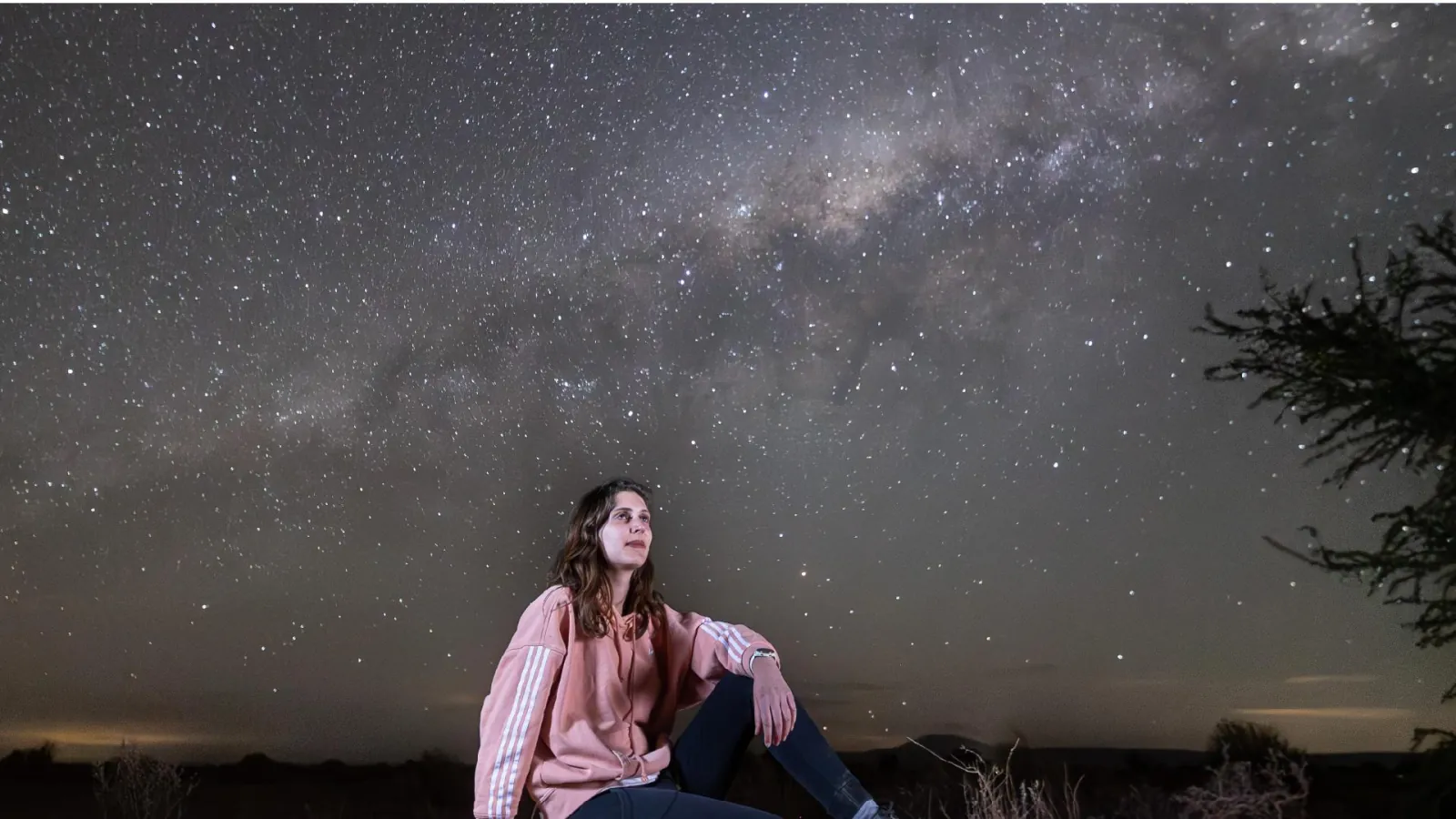
Big telescopes, the Milky Way and the desert site outside San Pedro.
Tours for a Well-Timed Night
The dark-sky pick, the small-group alternative, and the tour that works when the moon is up.
| Feature | DARK-SKY PICK The Roofless Experience | Atacama Dark Sky | Llama Stargazing |
|---|---|---|---|
| Price from (per person) | $65 | $186 | $33 |
| Rating | 4.9 (131 reviews) | 4.9 (25 reviews) | 4.7 (784 reviews) |
| Moon policy | Runs only below 50% moon | No tours 3 days either side of full moon | Astrolunar option for the moon and planets |
| Best for | April to September, near the new moon | Any season; portraits face the galactic center Apr–Sep | Nights near the full moon |
| Telescopes | Two 16-inch telescopes | Smart digital telescope | ✓ Use of telescope |
| Photos | 1 professional photo per person | Milky Way portraits; deep-sky images next day | ✓ Astrophotography |
| Pickup | ✓ Hotel pickup | ✓ Hotel pickup by 4x4 | Meeting point in town |
| Group | Small groups | 4–6 guests at most | Not stated |
| Check Availability | See Atacama Dark Sky | See Llama Stargazing |
Compare Tours
More Atacama Stargazing Tours
From a $31 Andean astronomy night to a private 4x4 trip for four.
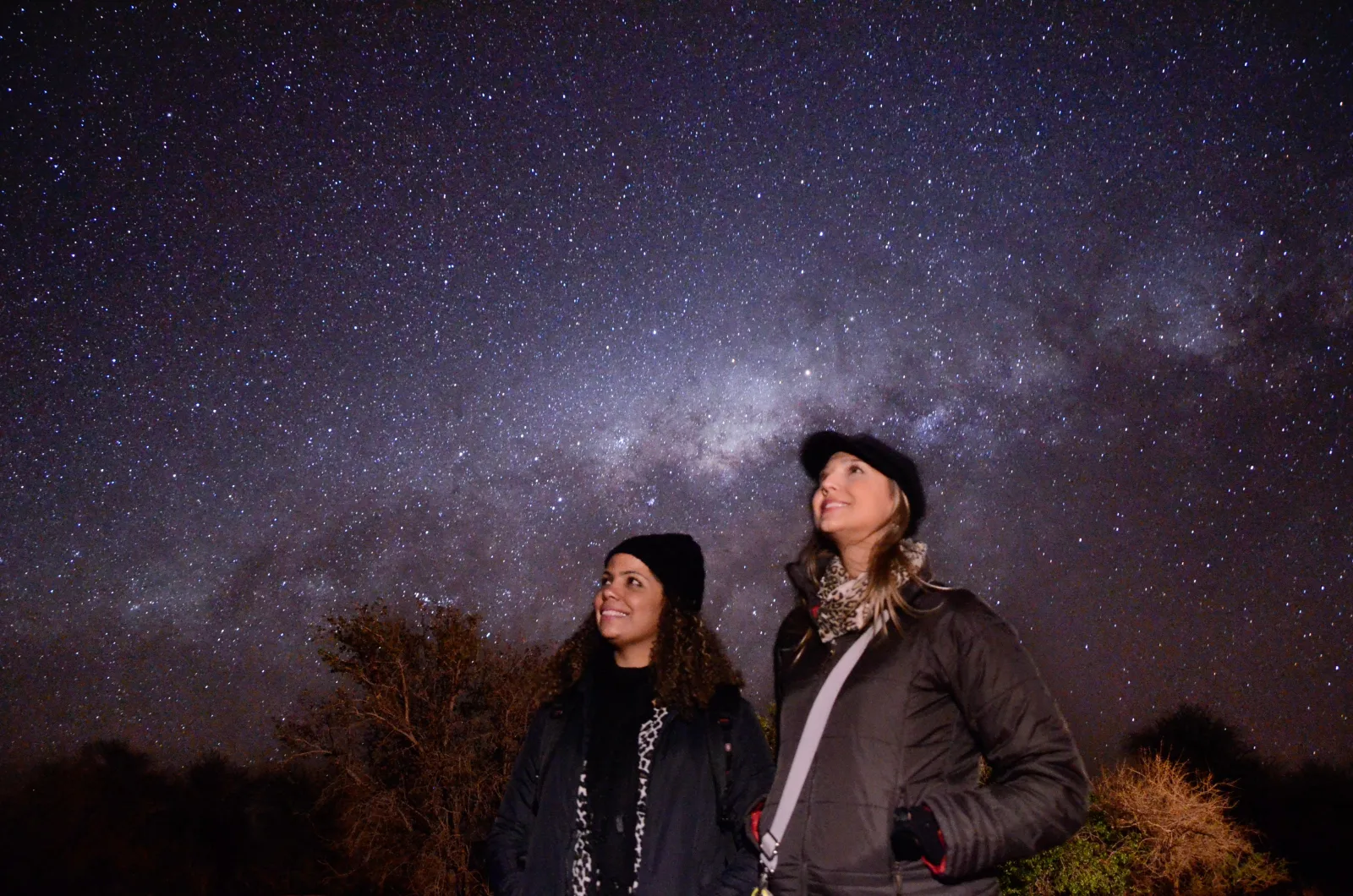 BUDGET PICK
Atacama: Stargazing & Andean Astronomy with Wine
The lowest-priced tour we cover: modern astronomy and telescopes paired with Andean sky lore, including the dark constellations, with a poncho, wine and a free photo.
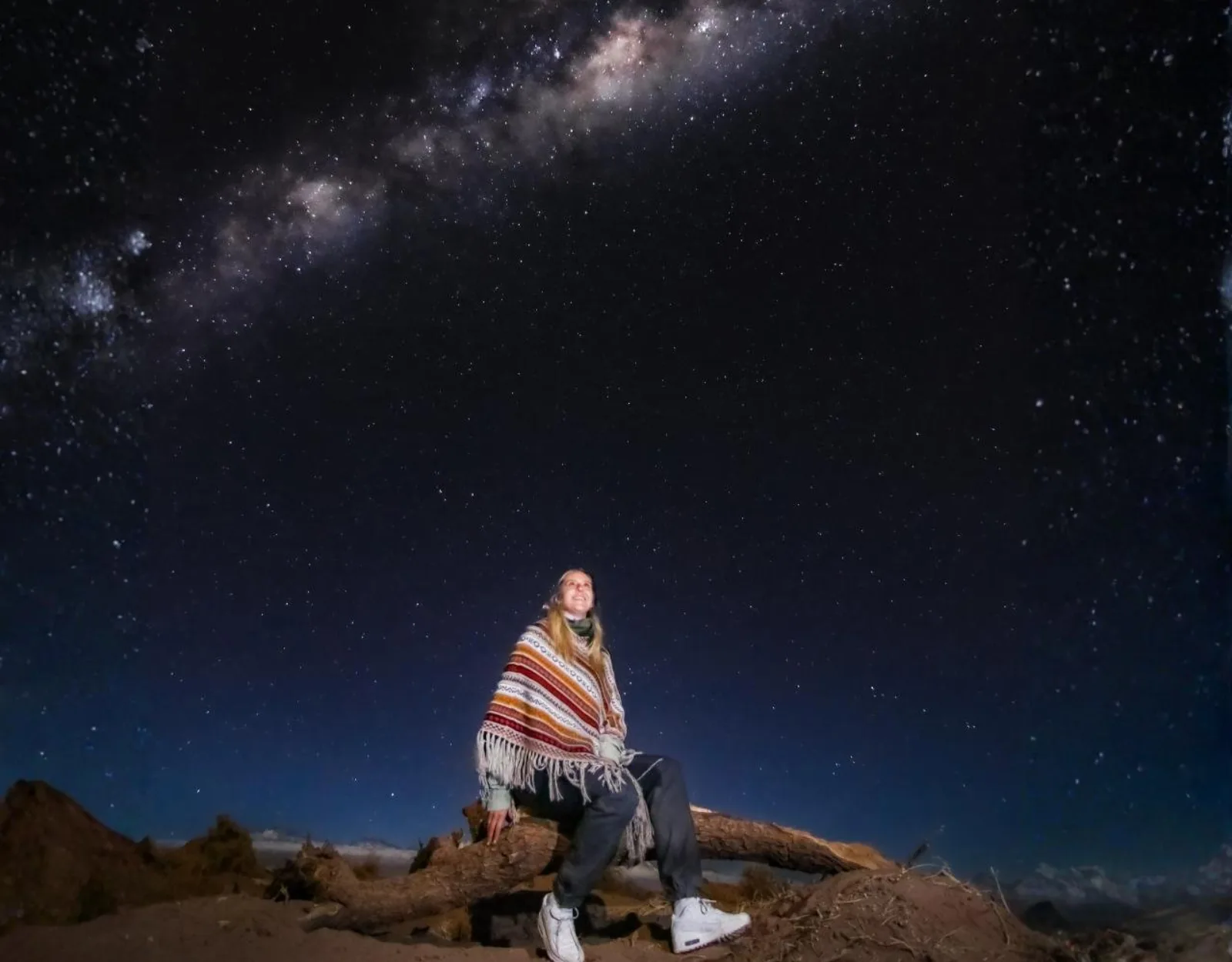 PHOTOS + TASTING
Atacama: Astronomical Excursion with Stargazing, Photos, Snacks and Wine
A larger, tightly run evening that splits guests by language, alternating a telescope session with a one-on-one photo shoot, then ends with wine, cheese and salami under the stars.
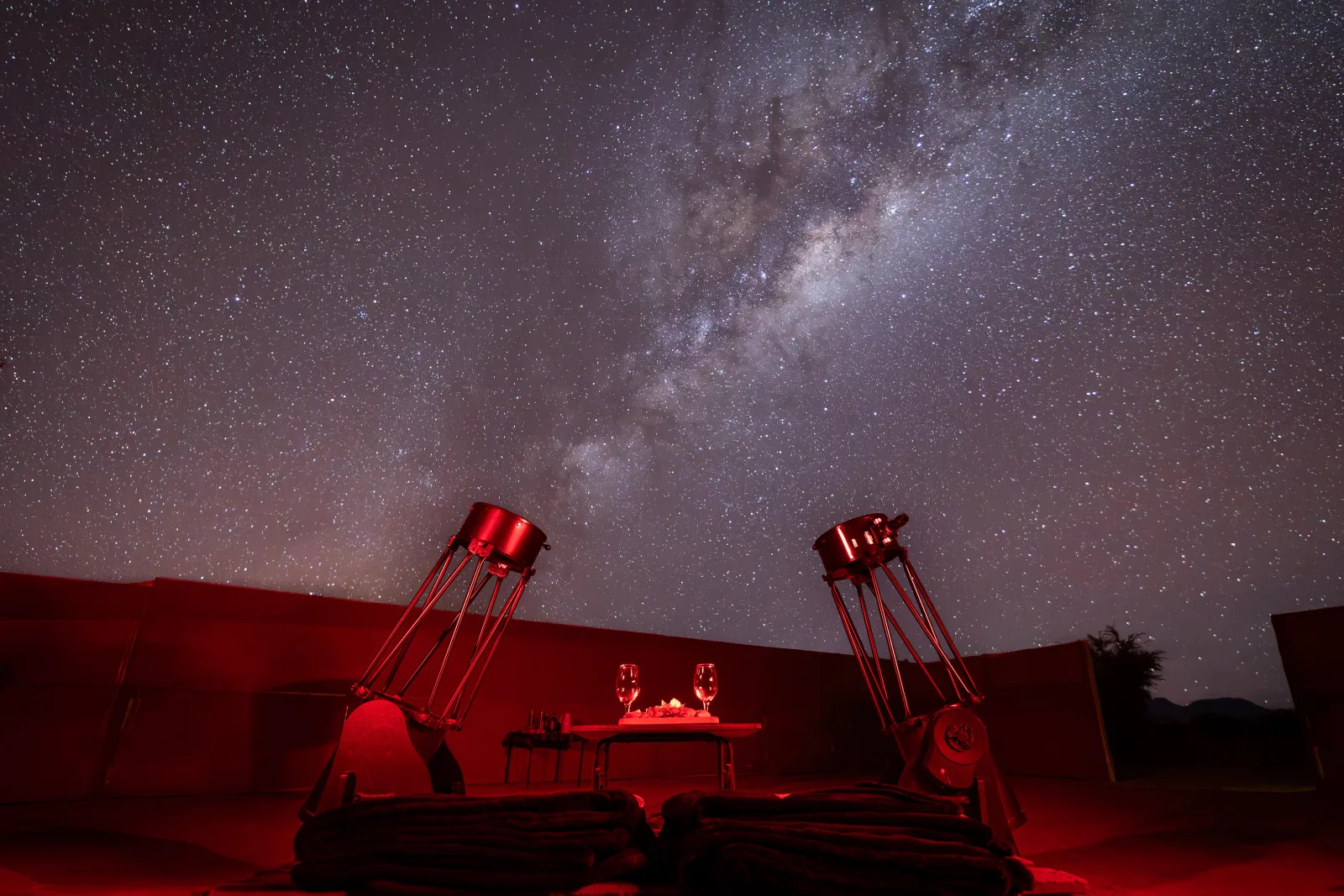 16-INCH TELESCOPES
The Roofless Experience Premium stargazing San Pedro Atacama
A premium small-group tour built around two 16-inch telescopes, run only when the moon is under 50% lit, with hotel pickup, thermal blankets, wine and a professional portrait.
 ASTROPHOTOGRAPHER
Atacama: Pro Guided Stargazing & Astrophotography
A tour with a dedicated astrophotographer and three photos per person, a 12-inch telescope plus a smart telescope, lounge chairs, blankets and a cocktail hour.
 MAX 4-6 GUESTS
Atacama: Stargazing tour Into Our Universe
A private-style night for up to a handful of guests: 4x4 pickup to Vallecito, reclining chairs, a smart telescope that captures color images, and Milky Way photos on a night walk.
Planning Guide
When to Go Stargazing in the Atacama
Months, moon phases, start times and night temperatures in San Pedro.
The best time for stargazing in the Atacama is roughly April to September, when the bright core of the Milky Way sits high in the evening sky and the weather is at its most settled. January and February are the risky months, because the altiplanic winter can bring cloud and storms. Whatever month you travel, the moon matters more: a night within about four days of the new moon beats a moonlit night in the “best” month. Winter is the cold season, so expect temperatures close to freezing by the end of a tour.
Atacama stargazing month by month
Pickup times are roughly the windows The Roofless Experience works to, and other tours follow similar hours because everyone waits for full dark. Temperatures are averages for San Pedro de Atacama, which sits at about 2,400 m (7,900 ft). The stargazing sites are a 15 to 30 minute drive out of town at much the same altitude.
| Month | Typical pickup | Evening sky highlights | Weather risk | Temperatures in town |
|---|---|---|---|---|
| January | 21:30–22:00 | Both Magellanic Clouds; Milky Way core low or gone by 22:00 | High: altiplanic winter, often the cloudiest month | Lows about 9 °C (48 °F), highs about 28 °C (82 °F) |
| February | 21:30–22:00 | Large Magellanic Cloud; core low or gone | High: usually the wettest month | Lows about 9 °C, highs about 28 °C |
| March | 19:30–20:00 | Southern Cross; Large Magellanic Cloud | Medium: altiplanic weather can run into March | Cooling after summer |
| April | 19:30–20:00 | Milky Way core high; Southern Cross | Low | Colder nights; clocks go back on 3 April 2027 |
| May | 19:30–20:00 | Core high; Southern Cross | Low | Cold nights |
| June | 19:30–20:00 | Core almost overhead around 22:00; Southern Cross | Low | Lows about −0.5 °C (31 °F) |
| July | 19:30–20:00 | Core almost overhead around 22:00 | Low | Coldest month: lows about −0.8 °C, highs about 19 °C (66 °F) |
| August | 19:30–20:00 | Core high | Low; snow can close high-altitude day trips | Lows about 1 °C (34 °F) |
| September | 20:30–21:30 | Core high; Small Magellanic Cloud | Low; weather models rank it the clearest month | Warming after winter |
| October | 20:30–21:30 | Small Magellanic Cloud; Southern Cross below the horizon late evening | Low | Milder nights |
| November | 21:00–22:00 | Both Magellanic Clouds; core low by 22:00 | Low | Milder nights |
| December | 21:00–22:00 | Both Magellanic Clouds; core low or gone | Medium: the altiplanic season sometimes starts early | Highs about 28 °C |
The jump in pickup times between August and September is mostly the clock. Chile moved to summer time (UTC−3) on 5–6 September 2026 and goes back to UTC−4 at midnight on Saturday 3 April 2027. Around the June solstice the sun sets at about 17:56 and full dark comes at about 19:15. Around the December solstice sunset is about 20:17 and full dark about 21:45.
Why April to September is the best stretch
These are the months of the Milky Way core, the brightest and most detailed part of the galaxy. From San Pedro it rides high in the evening from April to September, and in June and July it passes almost overhead around 22:00, which is the view most people picture when they think of Atacama skies. The Southern Cross is at its best in the evening from March to June. Dark comes early in winter, so a tour that collects you at 19:30 has you back in town at a sensible hour.
The weather is also more settled. The cloud and storms of the altiplanic winter belong to summer, and weather models rank September as San Pedro’s clearest month. The cost is cold. July is the coldest month, with average lows of about −0.8 °C in town, so tours in June and July finish near or below freezing. Bring a hat, gloves and real layers; our guide to how cold Atacama stargazing gets covers what each tour lends you.
Why January and February are the risky months
The altiplanic winter, also called the Bolivian winter, brings humid air, cloud, rain and storms to the high Altiplano, mainly in January and February and sometimes in December or March. February is usually San Pedro’s wettest month and January its cloudiest. The ALMA observatory stops its science observations every February because of it, which tells you how regular the pattern is.
Tours still run on clear summer nights. Summer has its own sky: the Large Magellanic Cloud is at its best on evening tours from November to March, and nights are cool, around 9 °C, instead of freezing. Just keep your plans flexible. All nine tours on this site offer free cancellation up to 24 hours before on GetYourGuide, and most promise a new date or a full refund if the operator cancels for weather. If you have several nights in San Pedro, book stargazing early in your stay so there is room to move it.
The moon matters more than the month
Moonlight washes out the Milky Way and faint galaxies, whatever the season. The moon, planets, double stars and bright clusters still look good in a telescope, but the deep, crowded sky in the photos needs a dark night. The darkest week is roughly the new moon plus or minus four days. A first-quarter moon sets around midnight, so evenings stay bright, while a last-quarter moon rises around midnight, which leaves an evening tour in the dark.
Some operators build this into their schedule. The Roofless Experience runs only when the moon is less than 50% lit. Atacama Dark Sky’s Into Our Universe runs every clear night except three days either side of the full moon, and Observatory Licanatay’s Stargazing & Andean Astronomy asks you to check the lunar calendar before you book. If your dates are fixed near a full moon, our full moon stargazing guide explains what still works.
New and full moon dates, October 2026 to December 2027
Dates are in Chile local time.
| Month | New moon (darkest) | Full moon (brightest) |
|---|---|---|
| October 2026 | 10 Oct | 26 Oct |
| November 2026 | 9 Nov | 24 Nov |
| December 2026 | 8 Dec | 23 Dec |
| January 2027 | 7 Jan | 22 Jan |
| February 2027 | 6 Feb | 20 Feb |
| March 2027 | 8 Mar | 22 Mar |
| April 2027 | 6 Apr | 20 Apr |
| May 2027 | 6 May | 20 May |
| June 2027 | 4 Jun | 18 Jun |
| July 2027 | 3 Jul | 18 Jul |
| August 2027 | 2 Aug and 31 Aug | 17 Aug |
| September 2027 | 29 Sep | 15 Sep |
| October 2027 | 29 Oct | 15 Oct |
| November 2027 | 28 Nov | 14 Nov |
| December 2027 | 27 Dec | 13 Dec |
How clear is the Atacama sky?
Very, though the famous numbers come from other places. Nobody publishes a measured count of clear nights for San Pedro itself. The figures you see quoted belong to professional observatories: at ESO’s Paranal, about 300 km away, 77% of night time was clear or photometric between 2014 and 2024. On the Chajnantor plateau above San Pedro, where ALMA stands at 5,000 m, the air holds so little water vapor that it ranks among the driest sites on Earth. Expect some of the driest, darkest skies you will ever stand under, and still check the forecast.
Which tour to book for your dates
April to September, near the new moon: book The Roofless Experience, from $65 per person and rated 4.9 from 131 reviews. Two 16-inch telescopes do the most with a dark sky, and the under-50% moon rule means a bright night is never on the menu. Our Roofless breakdown has the detail.
Summer, October to March: Atacama Dark Sky takes its portraits facing the outer edge of the Milky Way from October to March and the galactic center from April to September, in small groups of four to six. For a cheaper night in any season, Observatory Licanatay starts from $31 per person; our tour prices guide sets out what each price level buys.
Near a full moon: Llama Stargazing sells an Astrolunar option built around the moon and planets.
Compare every tour side by side on the homepage comparison, or check Roofless availability for your dates.
Guest Reviews
What Roofless Guests Say
4.9/5
from 131 verified guests
Ratings and review counts are the tour operators' live figures on GetYourGuide and may shift slightly day to day.
"Our Roofless Experience was fantastic! Our original booking had to be changed, as the weather was cloudy, but their communication throughout was excellent and it was very easy to rearrange. The hotel pickup and transport was good & our guide was friendly & very knowledgeable. Good snacks, great information and unbelievable stars! This is a 'must do' trip for anyone in San Pedro."

"Everything was great! We enjoyed stars show and nice atmosphere kept by Gide. Thank you so much!"
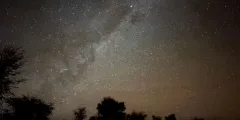
"This tour was amazing. We look at the same sky at home (Australia) but it was so different! Brighter, clearer and stars right to the horizon. Jhonatan’s knowledge was incredible. And he taught us how to take insane night photos on our phones. 100% recommend!!"
"It was an unforgettable experience for us. Jonathan was very knowledgeable and patient, helping us with the pictures and with the telescopes. Definitely recommend!"
"An absolutely fantastic experience! Everything was so well organised, from the transport, snacks & drinks & blankets. It was the highlight of our trip so far!"
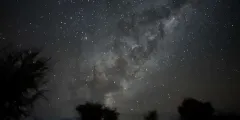
"An incredible experience, we could not recommend this highly enough. Jhonatan and his team were brilliant, their knowledge was brilliant and their passion was clear to see. The experience was split into two parts - the first section Jhonatan taught us how to take photos of the night sky, and also used a high quality set up to take profession photos of us with the milky way as the backdrop. The second section was all about educating us on the night sky and using two incredible telescopes to see various types of star and formation. This second section was accompanied by wonderful food and drink which we had been contacted about in advance to accommodate any preferences and dietary requirements. We wouldn't hesitate to book this again if we returned to the Atacama Desert."
"The tour was really interesting and our guide was very helpful, answered all our questions and overall was very happy and energetic. We learned a lot about the stars and we took amazing pictures."
Read all 131 verified reviews
See All ReviewsBook a Dark-Sky Night with The Roofless
Two 16-inch telescopes, hotel pickup and a professional portrait, run only below 50% moon. Free cancellation up to 24 hours before. Starting from $65 per person.
Check Availability & BookCan't Make These Dates?
Browse More Available Options
Find a tour that fits your schedule — all with instant confirmation and free cancellation.
Best Time for Stargazing in Atacama: FAQ
Months, moon phases, weather and start times for stargazing in San Pedro de Atacama.
Roughly April to September, when the Milky Way core is high in the evening sky and the weather is most settled. Weather models rank September as San Pedro's clearest month. Winter nights are cold, close to freezing by the end of a tour.
The core rides high in the evening from about April to September, and in June and July it passes almost overhead around 22:00. From November to February it is low or gone by 22:00, though the Magellanic Clouds are well placed then.
They are the riskiest months. The altiplanic winter brings cloud, rain and storms to the high Altiplano mainly in January and February, and ALMA stops science observations every February. Tours still run on clear nights, so book with free cancellation and keep a spare night.
More than the month. Moonlight washes out the Milky Way and faint galaxies, so aim for roughly four days either side of the new moon. See our full moon guide if your dates are fixed.
They follow the dark. The Roofless Experience picks up roughly 19:30–20:00 from March to August, 20:30–21:30 in September and October, 21:00–22:00 in November and December, and 21:30–22:00 in January and February.
July is the coldest month, with average lows of about −0.8 °C (31 °F) in San Pedro, so winter tours end near or below freezing. Summer lows are around 9 °C. See how cold Atacama stargazing gets.
The next new moons are 10 October, 9 November and 8 December 2026, then 7 January 2027, in Chile local time. The full calendar to December 2027 is in the guide on this page.
Still have questions? Email us at info@atacamastargazingtour.com
Keep Exploring
Explore More
Every Atacama stargazing tour and planning page on this site, in one place.
Stargazing Guides
Individual Tours
- Aire Libre Astro Tour, San Pedro de Atacama
- Andestellar Stargazing & Astrophotography, Atacama
- AstrotourChile Stargazing Tour, San Pedro de Atacama
- Atacama Dark Sky Private Stargazing Tour, Atacama
- Layana Travel Stargazing Tour, San Pedro de Atacama
- Llama Stargazing Tour, San Pedro de Atacama
- Observatory Licanatay Stargazing Tour, Atacama
- Owner Experience Stargazing & Photos, Atacama
- The Roofless Experience, San Pedro de Atacama