"It was great experience! Interesting speak about the sky and the sky also looked incredible"
Moon & Planets
What still works when the moon is up.
Book Your Experience
Select your preferred date and time. Instant confirmation — free cancellation up to 24 hours before departure.
The Experience
A moon-and-planets Astrolunar option alongside the regular tour, rated 4.7 from 820+ reviews.
Can't Make These Dates?
Find a tour that fits your schedule — all with instant confirmation and free cancellation.
A meeting point in town, a 15-minute drive, telescopes, photos and hot drinks.
Pick the regular stargazing tour or the Astrolunar Tour for the moon and planets. Free cancellation up to 24 hours before on GetYourGuide.
Meet at the point in town for your option, then drive about 15 minutes to the observation site.
A short explanation and a naked-eye tour of the sky, then telescopes for planets, double stars, clusters, nebulae and galaxies, depending on the season.
Photos with the night sky, then a snack with red wine, pisco sour, juice, tea, coffee or hot chocolate under blankets before the drive back.
Photo Gallery
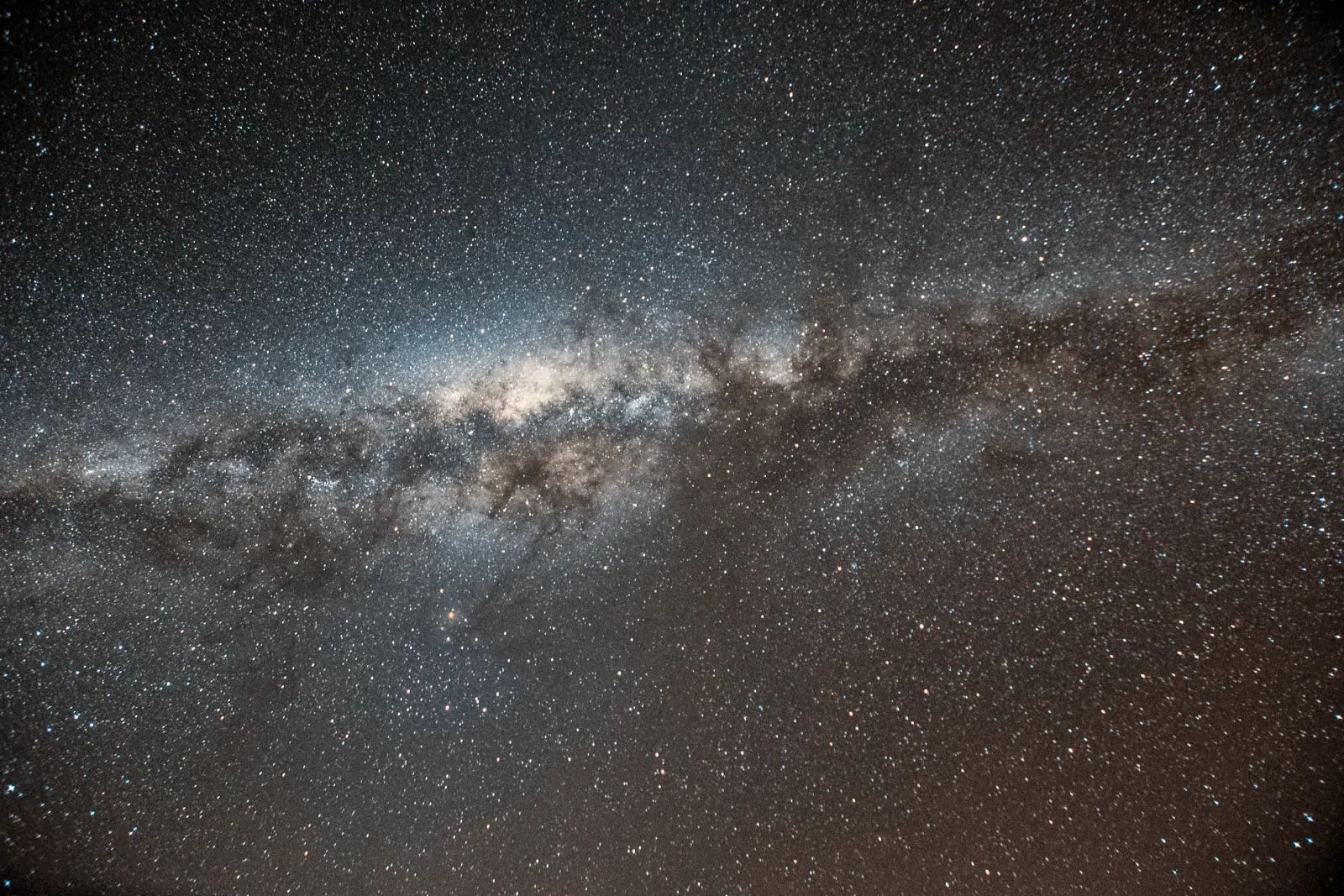
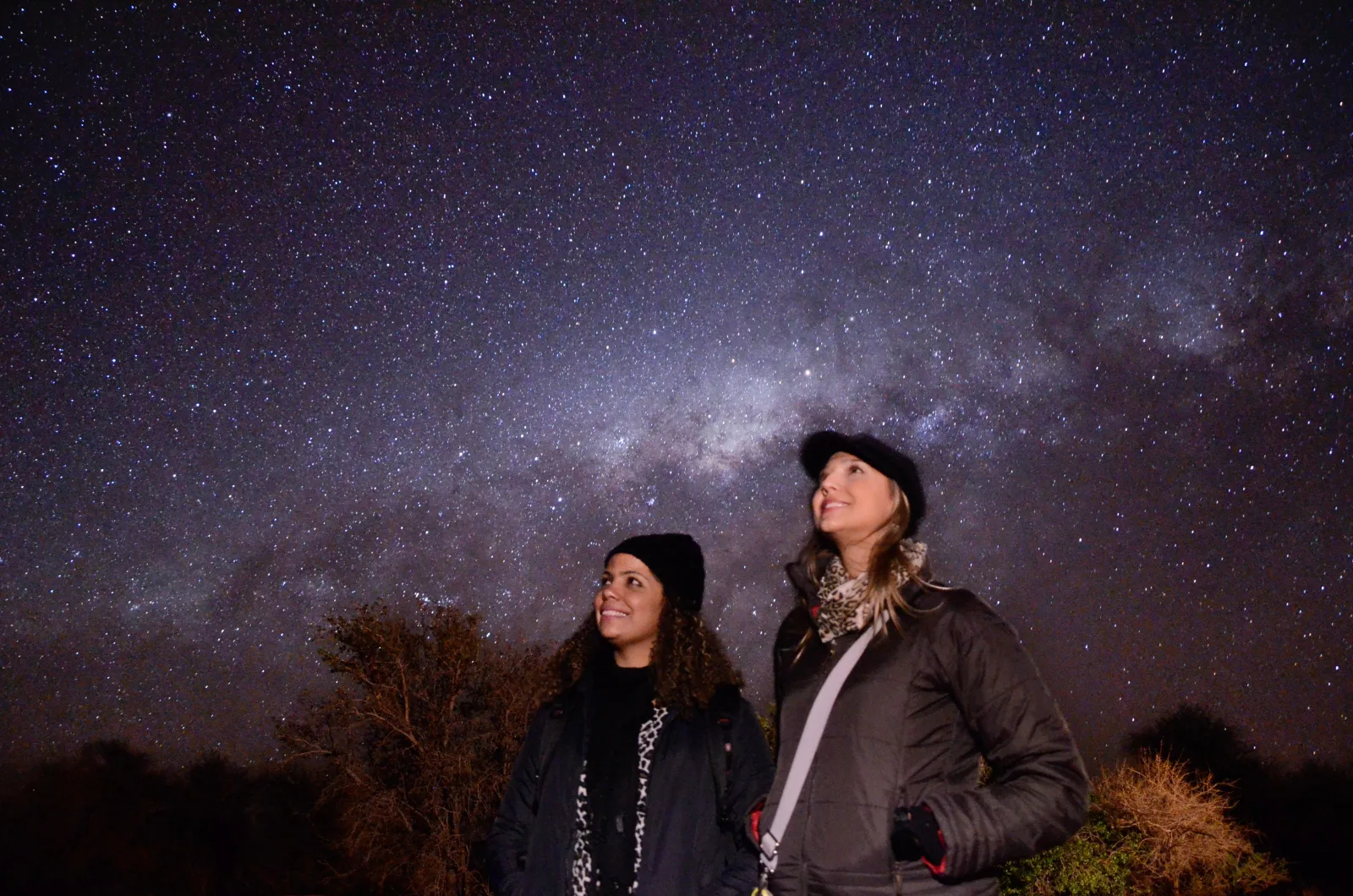
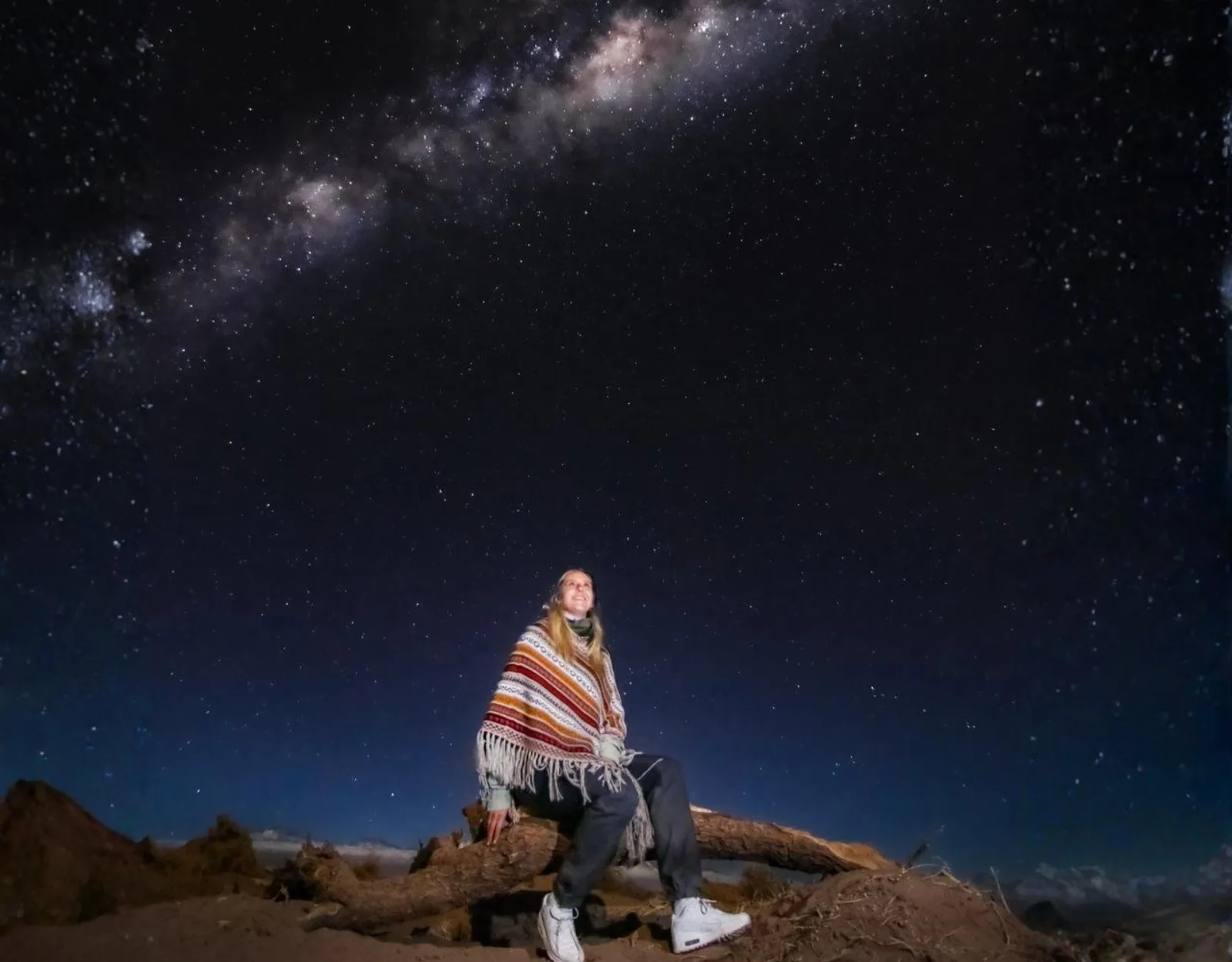
The observation site outside San Pedro, telescopes and guest portraits.
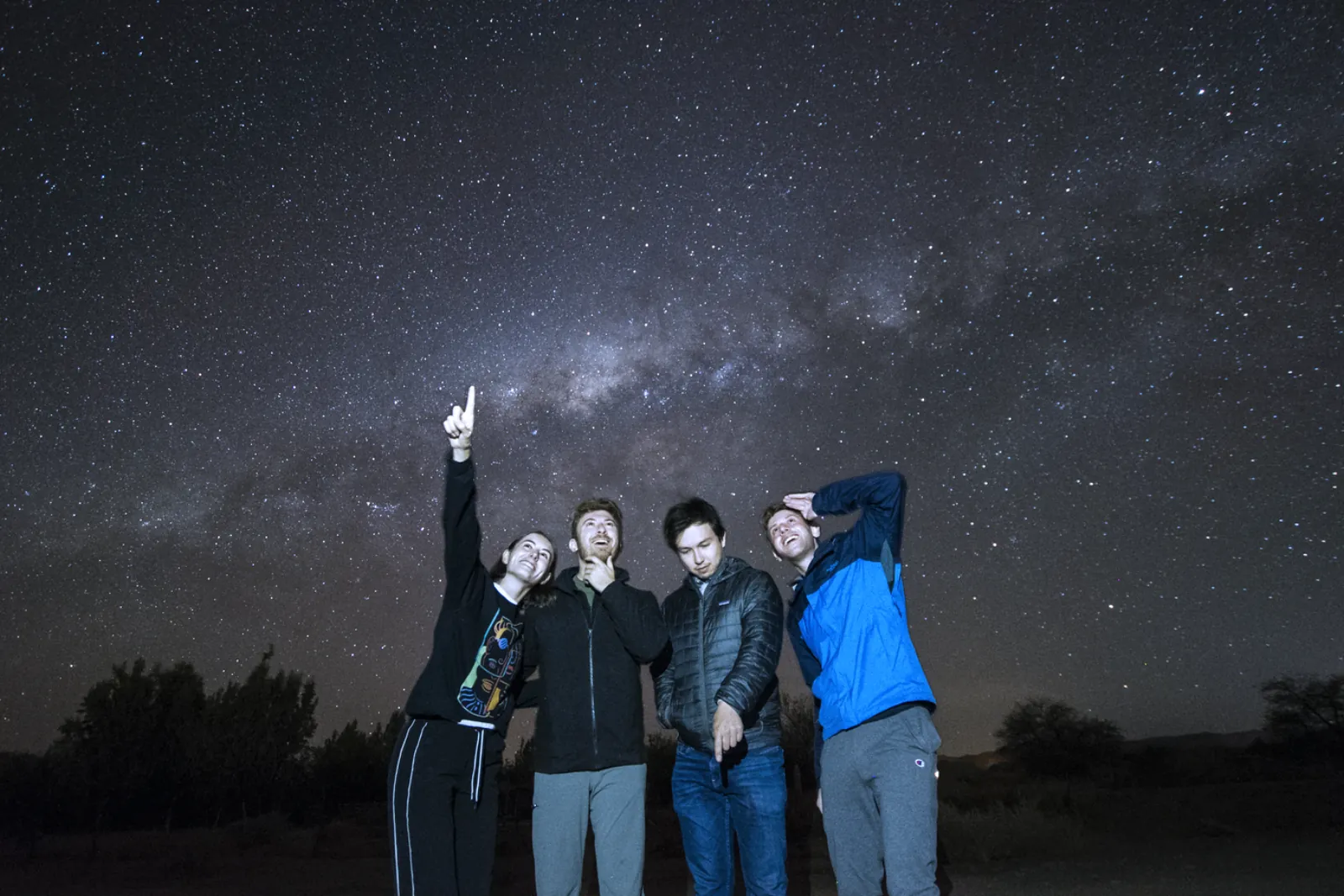
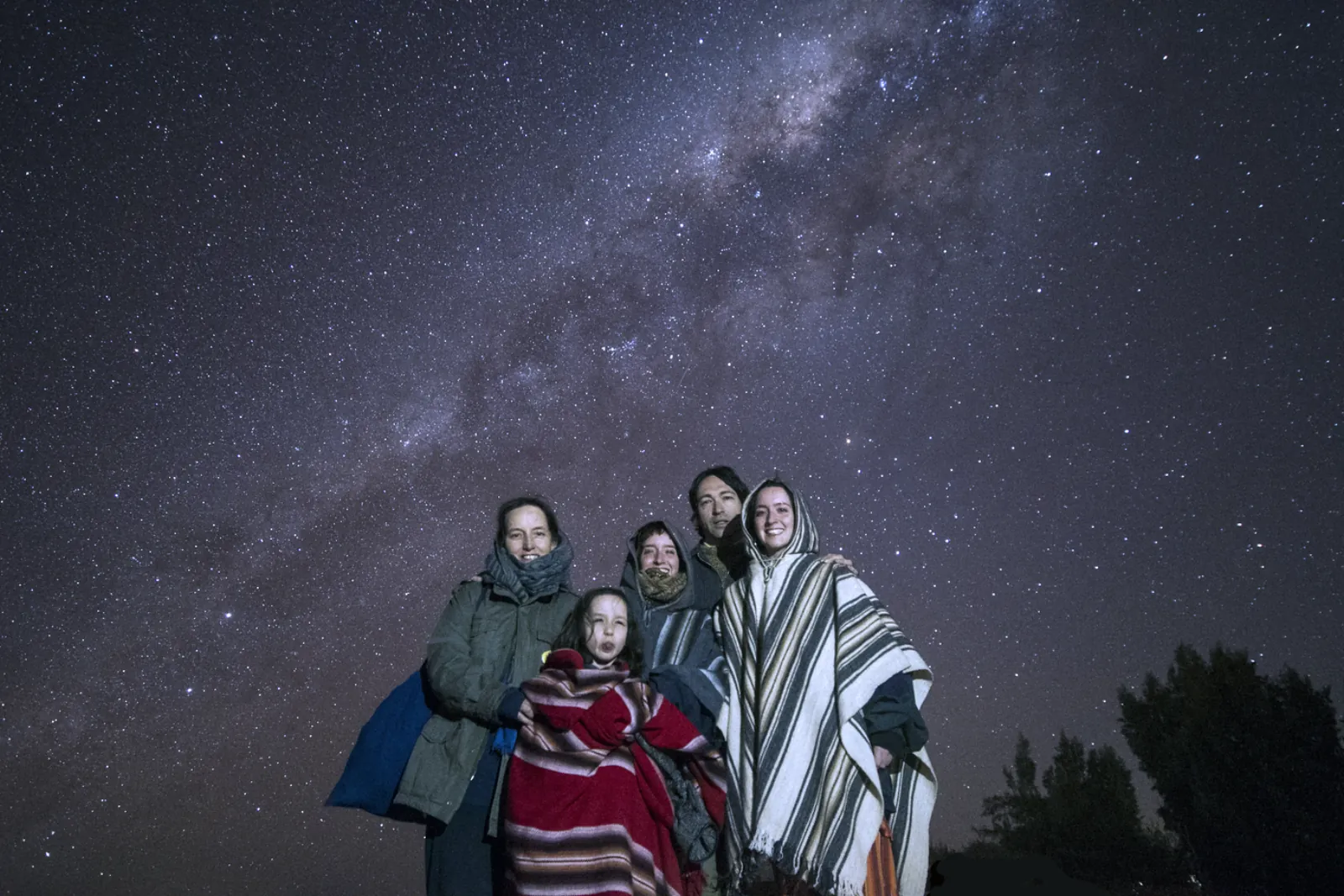
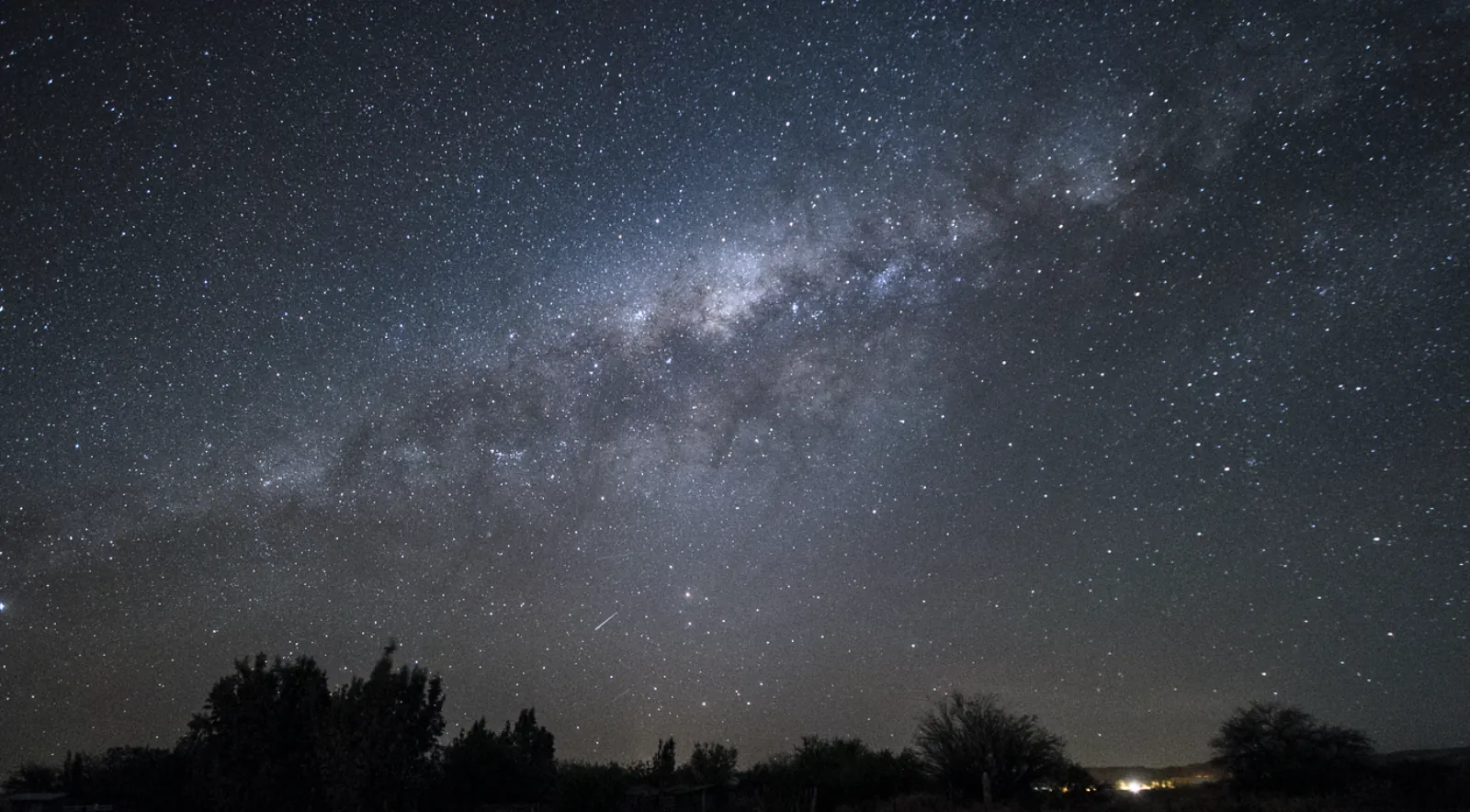
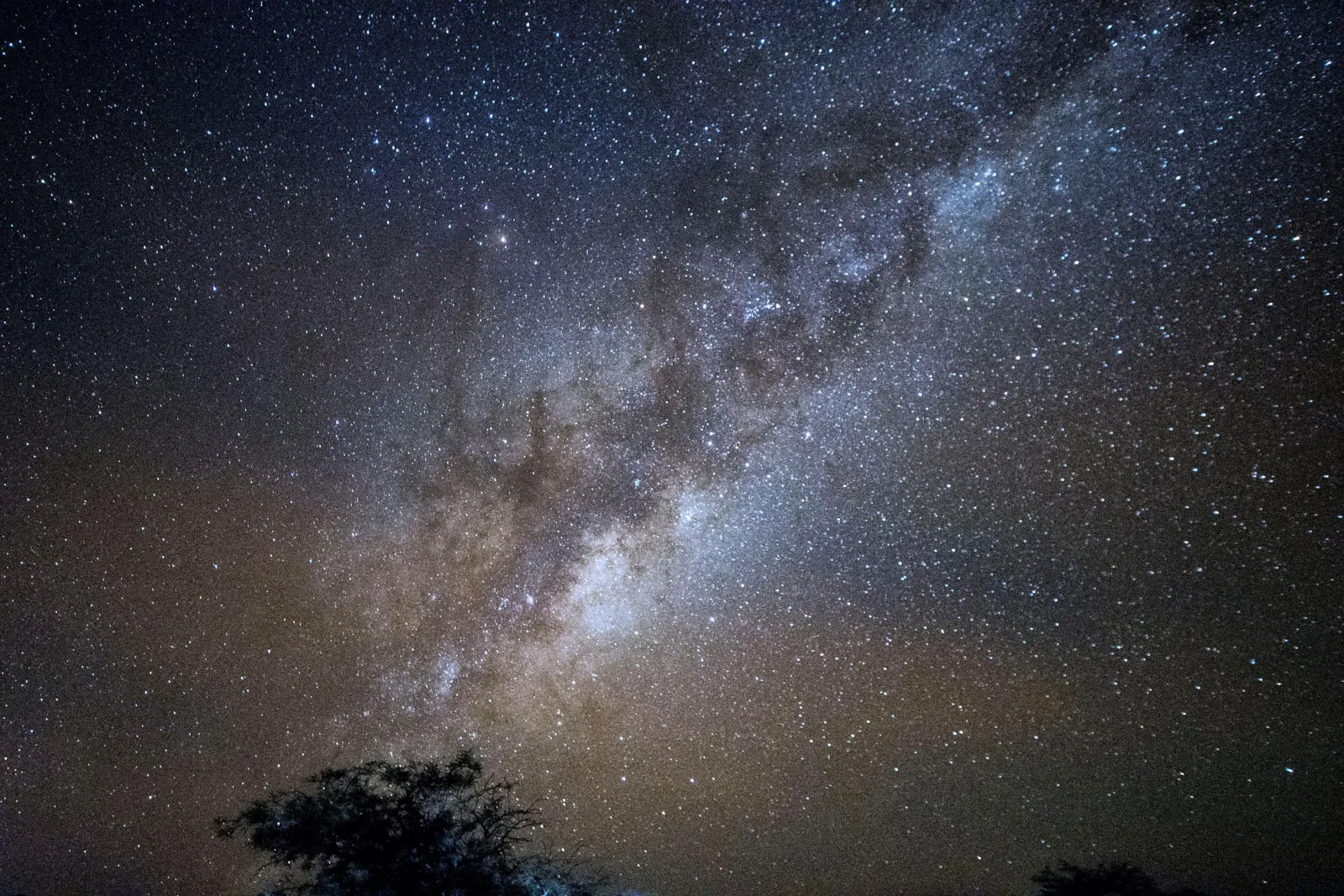
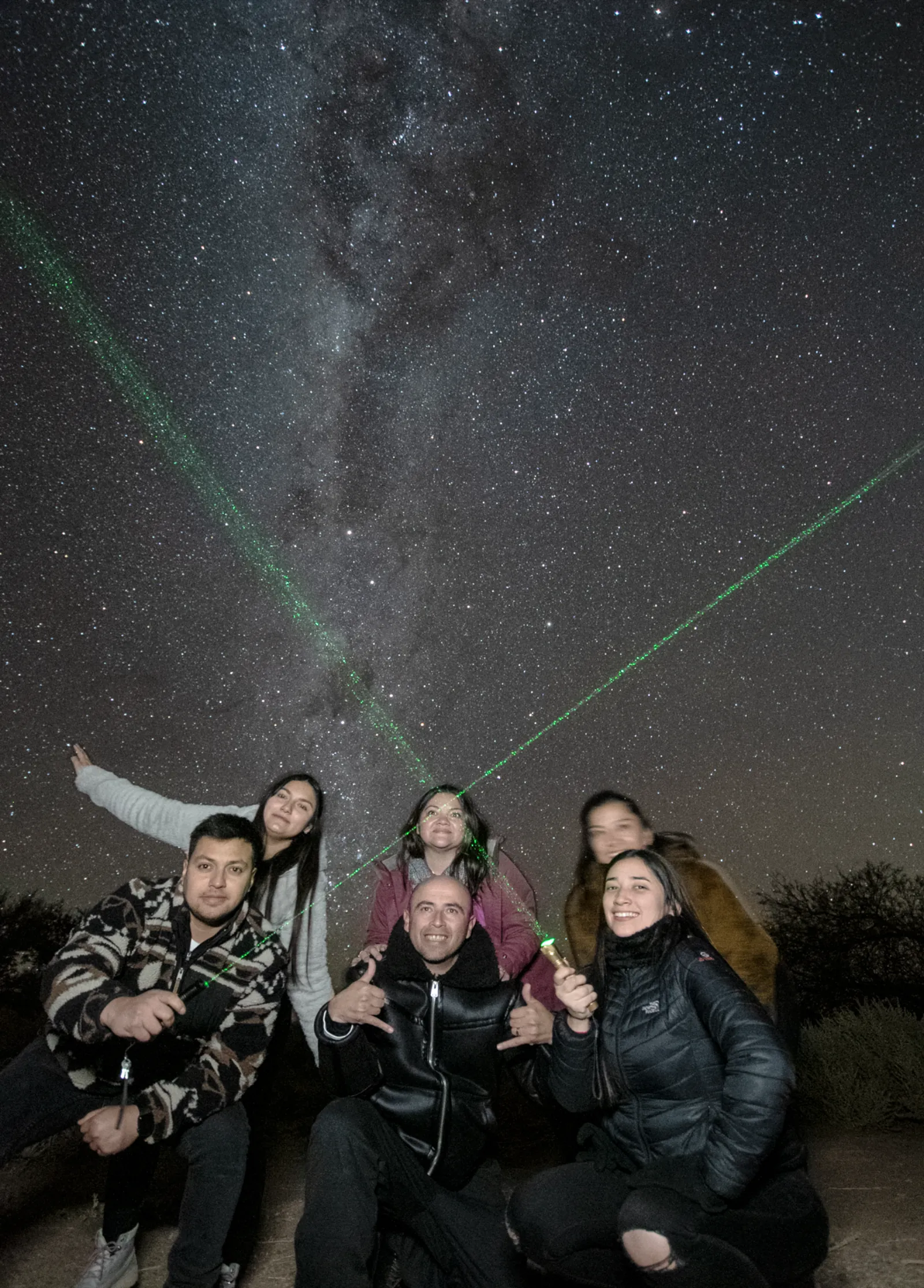
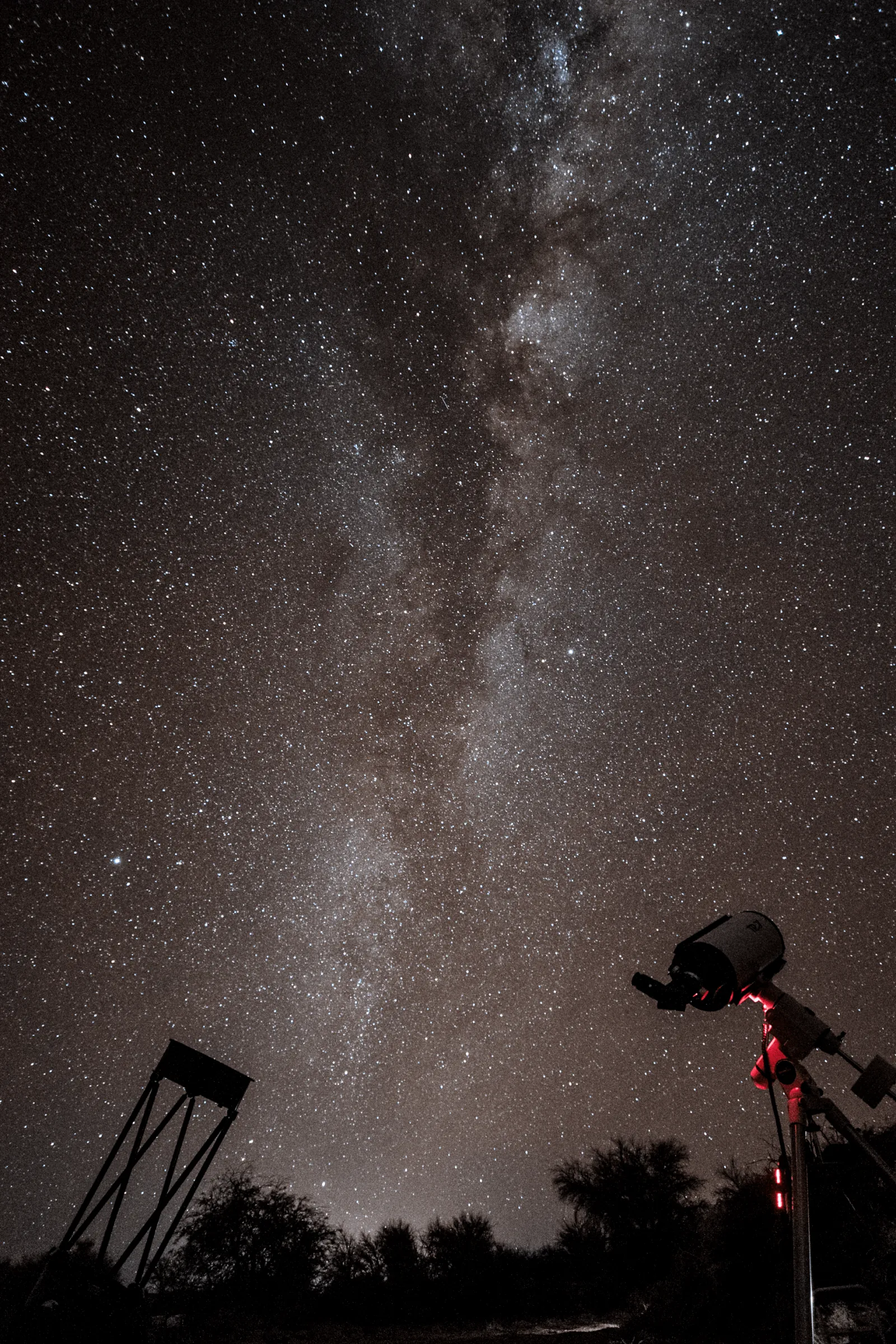
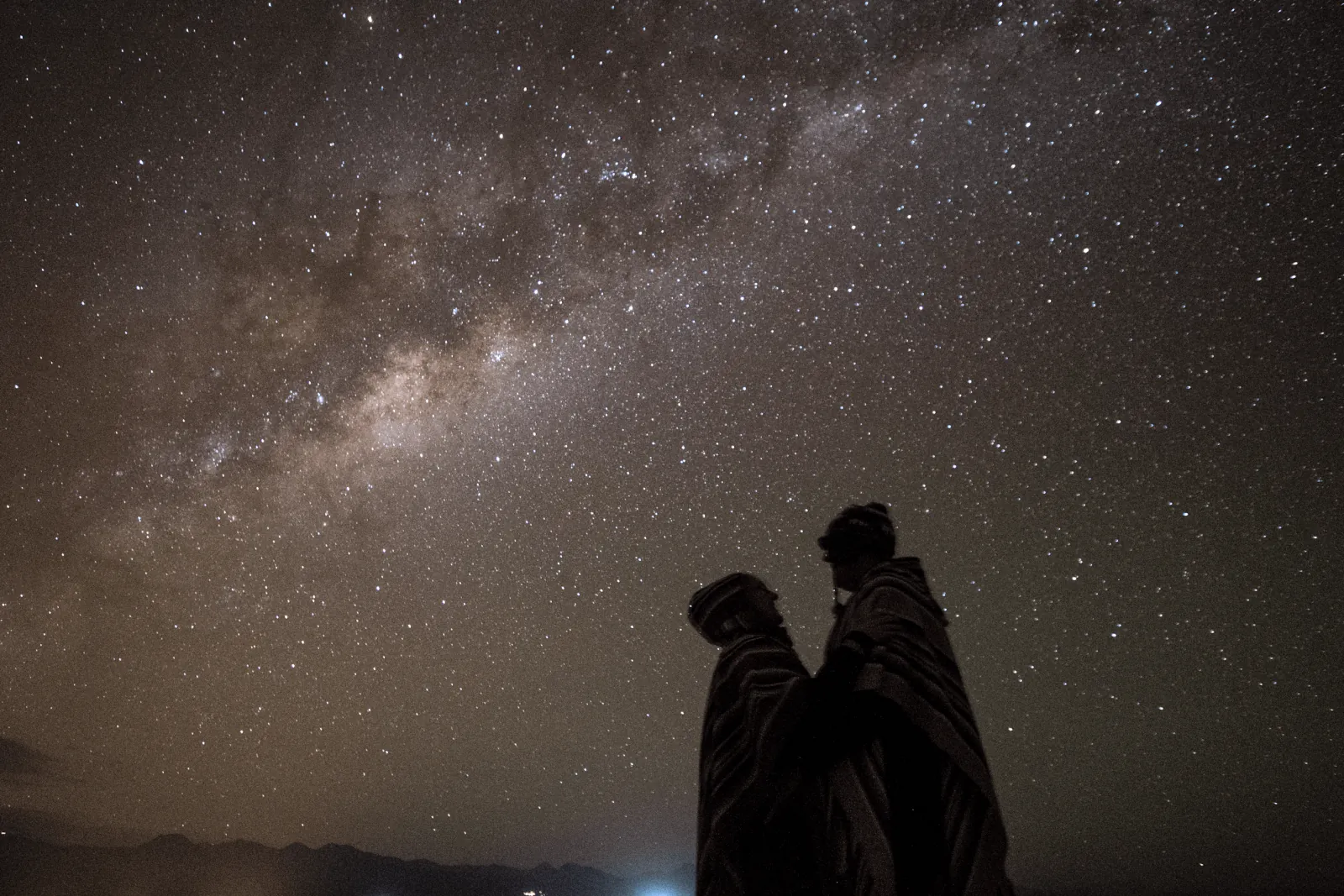
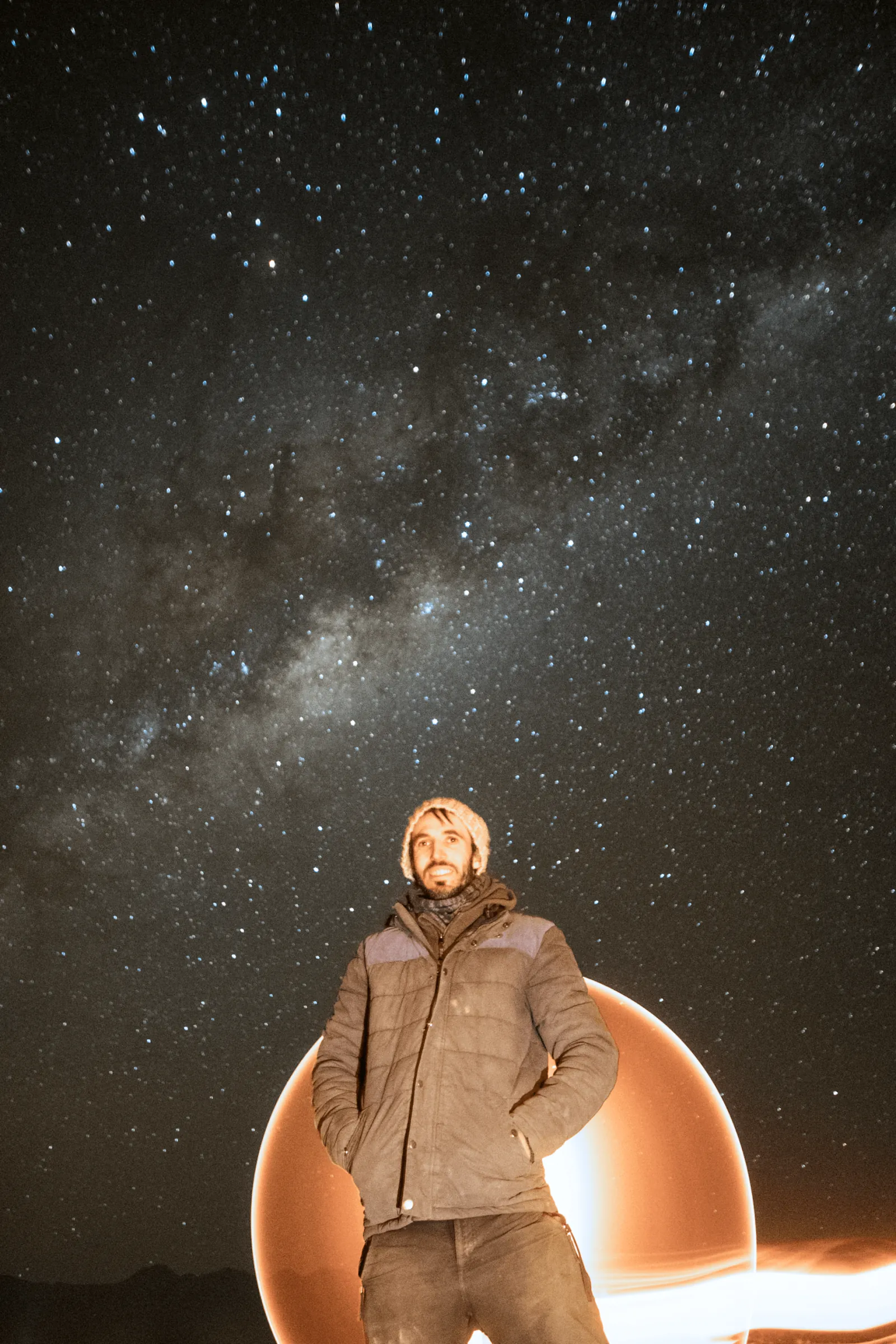
The moon-and-planets pick, the budget tour, and the premium tour that waits for darker nights.
| Feature | FULL MOON PICK Llama Stargazing | Observatory Licanatay | The Roofless Experience |
|---|---|---|---|
| Runs near full moon | ✓ Astrolunar option for the moon and planets | Asks you to check the lunar calendar | ✗ Runs only below 50% moon |
| Price from (per person) | $33 | $31 | $65 |
| Rating | 4.7 (820+ reviews) | 4.7 (790+ reviews) | 4.9 (130+ reviews) |
| Telescopes | ✓ Use of telescope | Professional telescope equipment | Two 16-inch telescopes |
| Photos | ✓ Astrophotography | Courtesy photo by email | 1 professional photo per person |
| Drinks | Red wine, pisco sour, juice, hot drinks, snack | Coffee, tea or red wine | Wine, hot chocolate or tea, snacks |
| Getting there | Meeting point in town, 15-minute drive | Meeting point in town, 15-minute drive | ✓ Hotel pickup |
| Check Availability | See Licanatay | See The Roofless |
Compare Tours
From a $31 Andean astronomy night to a private 4x4 trip for four.
 BUDGET PICK
The lowest-priced tour we cover: modern astronomy and telescopes paired with Andean sky lore, including the dark constellations, with a poncho, wine and a free photo.
 PHOTOS + TASTING
A larger, tightly run evening that splits guests by language, alternating a telescope session with a one-on-one photo shoot, then ends with wine, cheese and salami under the stars.
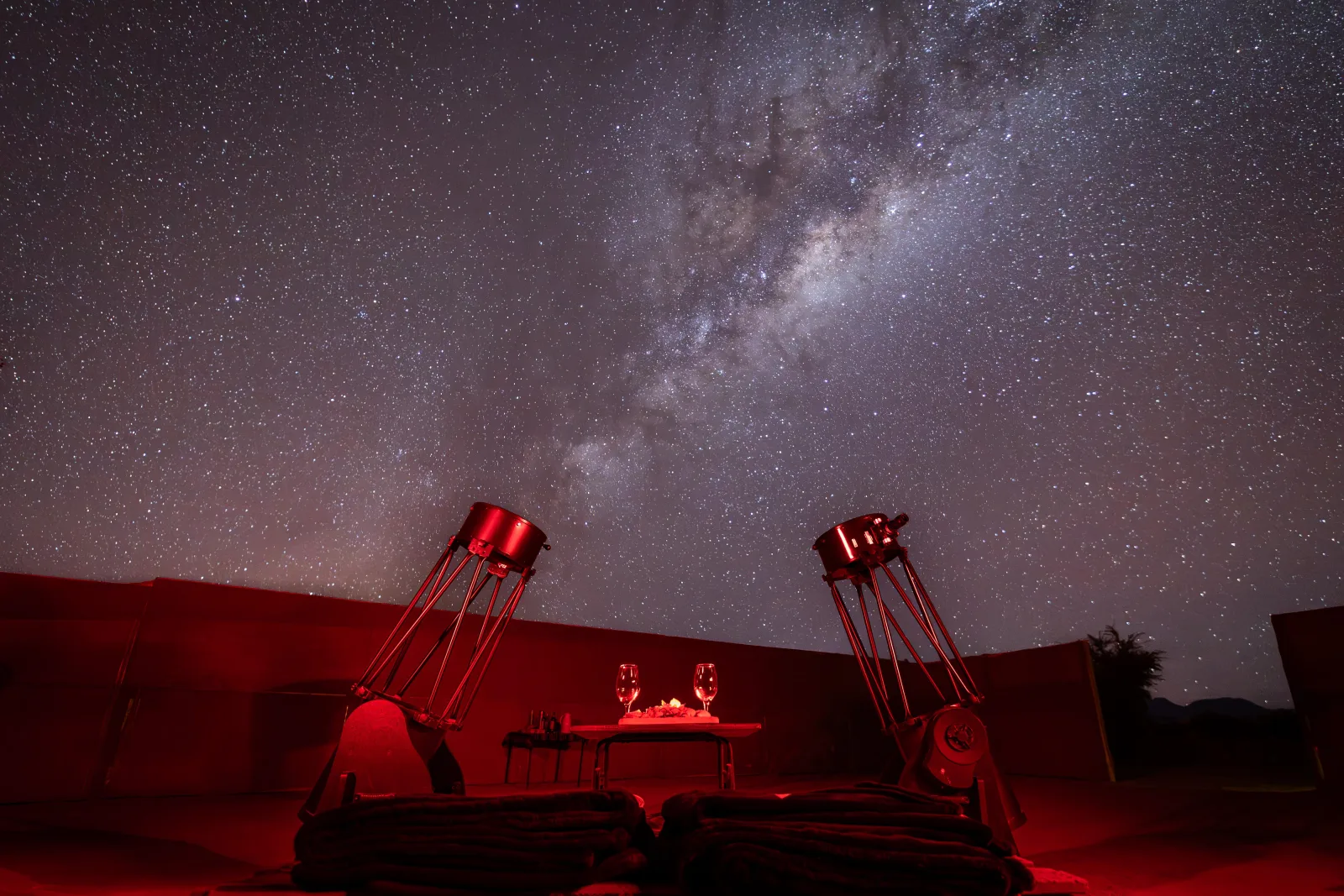 16-INCH TELESCOPES
A premium small-group tour built around two 16-inch telescopes, run only when the moon is under 50% lit, with hotel pickup, thermal blankets, wine and a professional portrait.
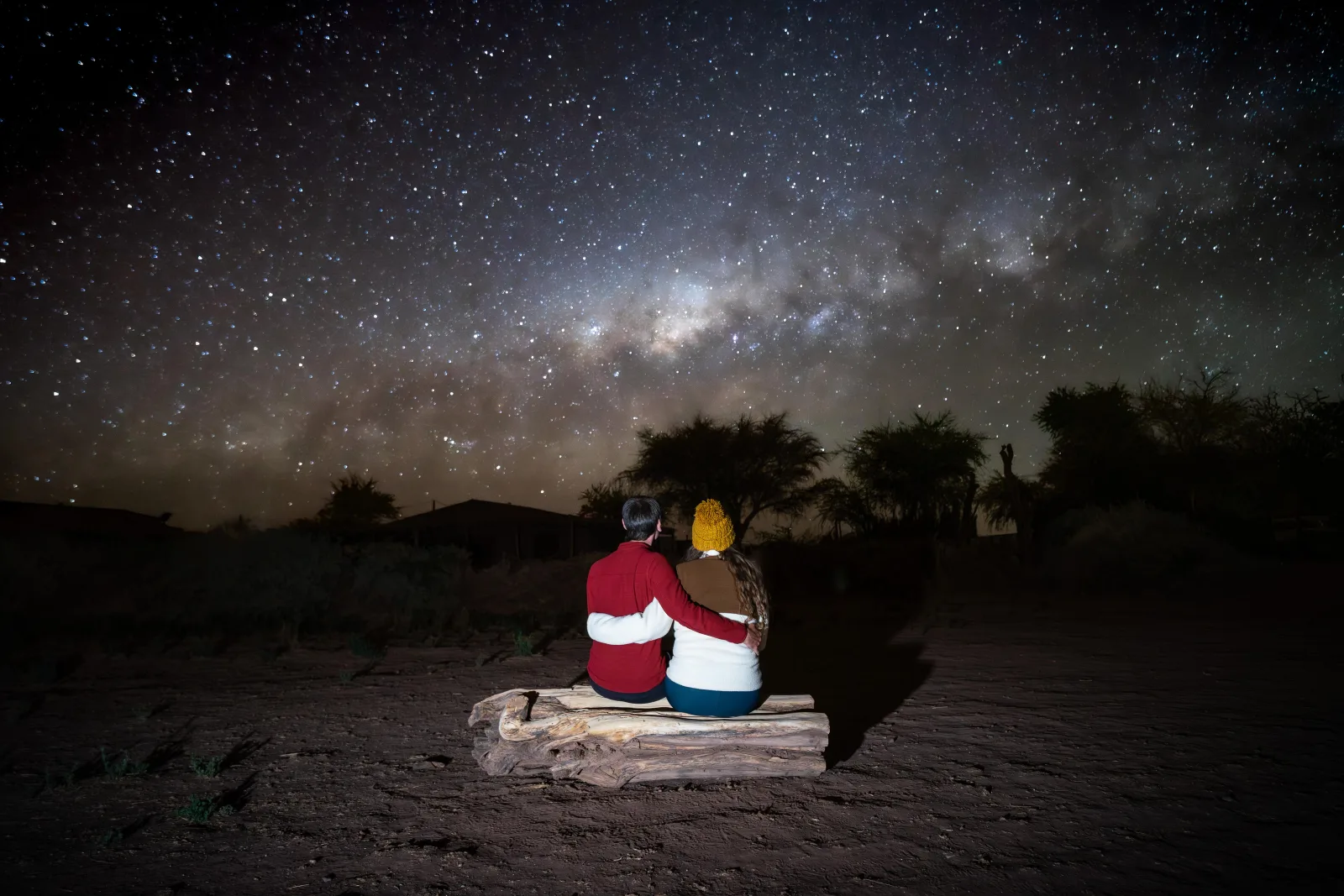 ASTROPHOTOGRAPHER
A tour with a dedicated astrophotographer and three photos per person, a 12-inch telescope plus a smart telescope, lounge chairs, blankets and a cocktail hour.
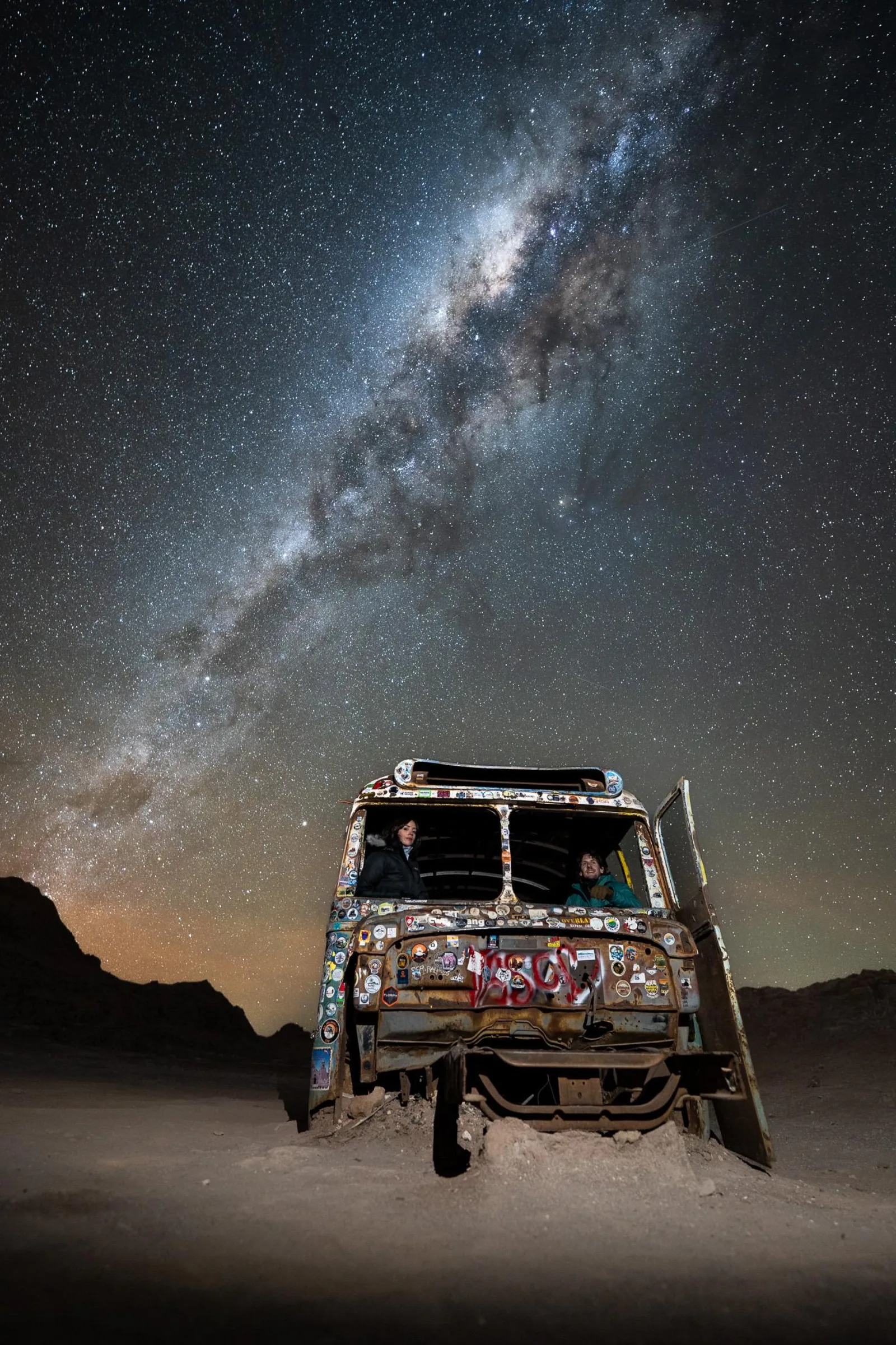 MAX 4-6 GUESTS
A private-style night for up to a handful of guests: 4x4 pickup to Vallecito, reclining chairs, a smart telescope that captures color images, and Milky Way photos on a night walk.
Moon Guide
What moonlight hides, what it leaves, when the moon is in your way, and how the tours handle it.
A full moon washes the Milky Way and faint galaxies out of the Atacama sky, but it does not end the night. The moon itself, planets, double stars and bright star clusters still look good through a telescope. If your only nights in San Pedro fall near a full moon, book Llama Stargazing and choose its Astrolunar option, which is built around the moon and planets. If you can move your stargazing night by a week or so, move it.
For the Milky Way, faint galaxies and a sky packed with stars, choose a night close to the new moon. You don’t need the exact night of the new moon, though. What matters is whether the moon is above the horizon while you are out, and a 60%-lit moon that rises after your tour ends leaves you a dark sky. Chile Travel, the country’s official tourism board, says San Pedro’s astronomical tours generally skip full-moon nights because the light makes the constellations hard to see, but each operator sets its own rule, so check the tour before you book.
| What you want to see | New moon | Full moon |
|---|---|---|
| Milky Way | ★★★★★ | ★–★★ |
| Dark dust lanes in the Milky Way | ★★★★★ | ★ |
| Faint galaxies | ★★★★★ | ★–★★ |
| Nebulae | ★★★★★ | ★–★★ |
| Magellanic Clouds | ★★★★★ | ★★ |
| Lots of faint stars | ★★★★★ | ★★ |
| Constellations | ★★★★★ | ★★★ |
| Bright planets | ★★★★★ | ★★★★★ |
| Bright star clusters | ★★★★★ | ★★★★ |
| The moon through a telescope | Not up near the exact new moon | ★★★★★ |
| Moonlit desert landscapes | ★ | ★★★★★ |
| Milky Way photography | ★★★★★ | ★ |
| Night portraits with a lit desert | ★★★ | ★★★★★ |
For classic Atacama stargazing, choose the new moon, or any night when the moon is below the horizon during your tour. For the Milky Way, look for dark, moonless hours, ideally close to the new moon. Should you avoid San Pedro at full moon? Not necessarily, but check that the astronomy tour you want is running.
Moonlight brightens the whole sky. Near full moon, the faint objects that make the Atacama famous fade first: the dust lanes of the Milky Way, the fainter galaxies and the soft glow of the Magellanic Clouds. What is left is the bright end of the sky. The brightest stars and constellations are easy by eye, and a telescope still shows planets, double stars and bright clusters well.
The moon is also a target in its own right, and a full moon through a telescope is a sight on its own. What you lose is the deep, crowded sky you see in the photos from San Pedro, and the portrait with the Milky Way behind you.
The Atacama’s reputation rests on a naturally dark sky. Around San Pedro, the dry air, the altitude and the lack of town lights let faint objects stand out against a very black background, and those are exactly the qualities Chile Travel names when it describes San Pedro’s astrotourism. Moonlight is reflected sunlight, and once it reaches the atmosphere part of it scatters across the whole sky. In effect it is natural light pollution. Even 20 km from the nearest streetlight, a high full moon makes the entire sky noticeably brighter.
Stargazing comes down to contrast. A bright star still looks bright, while a faint galaxy only a little brighter than the sky behind it can almost vanish.
The objects that suffer most are the ones with a low surface brightness:
These objects don’t stop shining. The sky around them gets brighter, so the contrast drops. Sky & Telescope makes the same point: bright moonlight washes out faint galaxies and nebulae, which is why many amateur astronomers avoid deep-sky observing around the full moon.
For most travelers who want the classic Atacama sky, yes. At new moon the moon sits in roughly the same direction as the sun, so it is missing from the night sky. That gives you darker skies, more stars, a Milky Way with stronger contrast, and better views of faint nebulae, galaxies and the Magellanic Clouds, plus more dramatic photos. Local operators agree, and several build their schedules around it, as the table further down shows.
The moon is a cycle, not one bad night. The darkest week runs roughly from four days before the new moon to four days after. A first-quarter moon sets around midnight, so the evening is bright until then. A last-quarter moon rises around midnight, which gives an evening tour a dark sky. That is why the week after full moon gets better faster for evening tours than the week before it.
This is the most useful thing to understand before you book. A calendar might show the moon 65% lit, which sounds bad. But if it doesn’t rise until 2 a.m. and your tour finishes at midnight, you have a dark-sky tour. A 30%-lit moon, on the other hand, can still get in the way if it sits high in the sky for your whole session.
The moon only stays up all night around the full moon, and its rise and set times move later every day. Broadly:
So a night several days after the full moon can give an excellent dark start to the evening, because the moon may not rise until your tour is over.
For your exact date in San Pedro de Atacama, look up:
For astrophotography, also check:
That tells you far more than booking the night marked “new moon”.
A moonless night is what you want; the new moon is just the easiest way to get one. Compare four nights:
| Night | Moon lit | Where the moon is | Verdict |
|---|---|---|---|
| A | 5% | Below the horizon | Excellent |
| B | 45% | Sets before your tour starts | Also excellent |
| C | 70% | Rises at 1:30 a.m.; tour runs 9 p.m. to midnight | Can be excellent |
| D | 35% | High in the sky for the whole tour | Can be worse than night C |
That is why the lit percentage on its own is the wrong number to look at.
There is no magic cut-off, but this is a useful rule for travelers:
Not for the whole night. After full moon the moon rises later each night, and within a few days an early-evening tour can finish before moonrise. That opens a surprisingly good window, and if your dates are fixed it is one of the best tricks you have.
It is less convenient for evening tours. Before full moon, the waxing moon is already up in the evening and stays up later each night. Given a choice between five days before the full moon and five days after it, the night after usually gives a better dark window in the early evening. Check the actual moonrise and moonset times rather than treating that as a fixed rule.
Not necessarily. At first quarter, about half the moon’s face is lit. It is high in the evening sky and sets around the middle of the night, so the early evening is brighter and the sky after moonset is excellent. For photographers happy to stay up late, that can work very well.
Often, yes. A last-quarter moon rises around midnight, so the first half of the night can be beautifully dark. San Pedro’s astronomy tours run in the evening, so last quarter suits them well.
Policies differ, and they are spelled out on each listing. These are the ones we could confirm.
| Tour | What happens near full moon | From |
|---|---|---|
| The Roofless Experience | Runs only when the moon is less than 50% lit, so no tours for roughly two weeks around each full moon | $65 per person |
| Atacama Dark Sky: Into Our Universe | Runs every clear night except three days either side of the full moon | $186 per person |
| Llama Stargazing | Sells an Astrolunar Tour option for the moon and planets | $33 per person |
| Layana Travel Astronomical Tour | On full-moon lunar tours, only the telescope eyepiece is photographed | $43 per person |
| Observatory Licanatay: Stargazing & Andean Astronomy | Asks you to check the lunar calendar before booking, as moonlit skies may vary | $31 per person |
The other tours on this site don’t state a moon policy on their listings, so ask the operator before you book a night near full moon. SPACE, an independent observatory in San Pedro that is not sold on this site, runs no tours on about seven nights around each full moon.
There is no rule for the whole town. Chile Travel says astronomical tours generally skip full-moon nights, and Gray Line’s own listing says its San Pedro astronomy tour runs daily except on full-moon and cloudy nights. Gray Line sells the tour on GetYourGuide as From San Pedro de Atacama: Astronomy Tour, so far with only two reviews. Others keep going and point the telescopes at the moon instead. Some even plan the night around it: Alarkapin, an observatory in the Coyo area run by local astronomers, offers a full-moon night walk and a moon-focused Astrolunar program on its own website. Neither is sold on GetYourGuide, so book those with the observatory. Never assume a tour runs at full moon.
Send the operator one question: will your normal astronomy tour run on my date, and how will the moon affect what we see? Then ask:
A good operator answers those easily.
Plan for a telescope night. The guide’s laser tour of the constellations still works for the brighter stars, and the telescopes turn to the moon, whichever planets are up that season, double stars and bright clusters. Llama Stargazing’s regular tour lists planets, stars, binary stars, star clusters, nebulae and galaxies “depending on the time of the year”, and near full moon the first four carry the night. Here is what still works:
No, which surprises many first-time observers. Around full moon, sunlight falls almost straight onto the lunar surface from where we stand, so there are few long shadows, and mountains and crater walls look flatter than they do near the terminator, the line between lunar day and night. Sky & Telescope notes that relief looks muted at full moon, although the bright rays and differences in surface brightness stand out. For dramatic craters, a crescent, quarter or gibbous moon is better. So: the new moon is best for a dark sky, the in-between phases for the moon’s relief, and the full moon gives you the brightest moon.
No. The line in some tour descriptions that you can’t see stars at full moon is an oversimplification. Bright stars stay visible. What changes is the number of faint stars and deep-sky objects you can see: the full moon reduces the faintest star you can make out, the contrast, the Milky Way and the subtle deep-sky detail. It does not turn the night sky blank.
Photos change too. Layana Travel says plainly that on full-moon tours it photographs the telescope eyepiece, so there is no starry portrait. The Roofless and Atacama Dark Sky avoid the question by not running on those nights. If the portrait under the Milky Way is the souvenir you want, our Atacama stargazing photo tour guide compares the tours built around photography, and every one of them needs a dark night.
Sometimes, but it is much weaker. On an excellent Atacama night you may still pick out the brighter parts of the Milky Way, but the dense galactic center, the dark dust lanes and the textured star clouds in the Atacama photos lose much of their contrast. If the Milky Way is your main goal, don’t choose a full-moon night on purpose. Our Milky Way in the Atacama guide covers the months when its bright core is up.
The phase matters far less for planets. Jupiter, Saturn, Venus and Mars stay easy to see even with plenty of moonlight. How well you see them depends mainly on whether the planet is above the horizon, where it is in its orbit relative to Earth, how steady the air is and how good the telescope is. A new moon doesn’t make Jupiter much better. Deep-sky objects gain far more. Our guide to what you can see in the Atacama night sky lists which planets are up for evening tours in late 2026.
The new moon, or any moonless sky. Galaxies are among the objects most sensitive to a bright sky. Even large ones can look like pale gray smudges, soft oval glows or faint patches instead of colorful spirals, and moonlight makes them harder still to find. If galaxies and nebulae matter to you, put darkness first.
Again, darker is better. The Large and Small Magellanic Clouds are diffuse. From a properly dark Southern Hemisphere sky you see them easily without a telescope, but bright moonlight lowers their contrast, and a moonless Atacama night shows how big they are.
For a classic Milky Way photo the answer is clear: the new moon wins. You want as little moonlight as possible, a dark foreground, the most contrast in the galaxy, visible dust lanes and faint stars, and a new moon, or any time the moon is below the horizon, gives you that.
No. Photographers sometimes use it on purpose. A bright moon lights up volcanoes, desert ridges, rock formations, people and adobe buildings, which gives a balanced night landscape without lighting the foreground yourself. The cost is a weaker Milky Way. At new moon the stars are the subject; at full moon the lit desert becomes part of the subject. Both make beautiful photos, just very different ones. Our Atacama astrophotography guide has starting settings for both.
Yes. Many Atacama tours photograph guests under the stars, and normally the photographer lights you with a flash, a continuous light or careful light painting. Moonlight can light you instead, but the brighter sky means fewer stars in the frame. A full-moon portrait looks more like you, a moonlit desert and a scattering of stars than you under a huge glowing Milky Way.
Dark-sky guides tend to undersell this. Under a bright full moon the Atacama can look almost unreal. Moonlight brings out volcano silhouettes, salt flats, desert ridges, mountain textures, roads and paths, long shadows and pale rock formations. Your eyes adapt well, and in strong moonlight it can feel like walking through a black-and-white version of daylight. If the desert at night interests you more than faint galaxies, a full moon can be beautiful.
A bright full moon also casts clear shadows. In a city the streetlights drown them out, but in a dark desert they are obvious, and that alone can make a full-moon walk memorable.
The nights to avoid follow Atacama Dark Sky’s own rule of three days either side of the full moon. Dates are in Chile local time.
| Full moon | Nights to avoid for a dark sky | Next new moon |
|---|---|---|
| 26 Oct 2026 | 23–29 Oct | 9 Nov |
| 24 Nov 2026 | 21–27 Nov | 8 Dec |
| 23 Dec 2026 | 20–26 Dec | 7 Jan 2027 |
| 22 Jan 2027 | 19–25 Jan | 6 Feb |
| 20 Feb 2027 | 17–23 Feb | 8 Mar |
| 22 Mar 2027 | 19–25 Mar | 6 Apr |
| 20 Apr 2027 | 17–23 Apr | 6 May |
| 20 May 2027 | 17–23 May | 4 Jun |
| 18 Jun 2027 | 15–21 Jun | 3 Jul |
| 18 Jul 2027 | 15–21 Jul | 2 Aug |
| 17 Aug 2027 | 14–20 Aug | 31 Aug |
| 15 Sep 2027 | 12–18 Sep | 29 Sep |
| 15 Oct 2027 | 12–18 Oct | 29 Oct |
| 14 Nov 2027 | 11–17 Nov | 28 Nov |
| 13 Dec 2027 | 10–16 Dec | 27 Dec |
For the dark side of the calendar, and how the moon fits with the seasons, see our best time for stargazing in Atacama guide and our 2027 moon calendar for the dates.
A dark moon does not promise a good night. You can travel for the new moon and still meet cloud, high haze, wind, dust or murky air. The Atacama has exceptional conditions for astronomy, but it is not immune to weather, so treat the moon phase as one part of the forecast.
Cloud matters more than the moon. Given a choice between a perfect new moon under thick cloud and a half moon in a crystal-clear sky, take the clear sky: no one stargazes through dense cloud. Operators keep the right to cancel for cloud or bad weather, including those that run most of the year.
If astronomy is one of the main reasons for your trip to San Pedro:
Don’t panic if you find a full moon in your dates after buying flights. Instead:
You can still have an outstanding trip.
Three days before the full moon is not ideal for dark-sky astronomy. The moon is already bright and up for most of the evening, so expect a weak Milky Way, fewer faint stars, poor views of galaxies and a brightly lit desert. If astronomy is a priority, ask whether you can book the tour earlier in your trip.
Five days after the full moon can be much better than it sounds. The waning moon rises later each night, and if your tour runs early enough you may get a properly dark spell before moonrise. Check the exact times.
Exactly at new moon, assuming the weather plays along, you get the best chance of a strong Milky Way, faint stars, galaxies, nebulae, the Magellanic Clouds and good astrophotography. It is the night many Atacama visitors hope for.
If stargazing is one attraction among many, no. Don’t rearrange a Chile trip because the moon isn’t ideal; San Pedro has far more to offer than astronomy. But if your main goals are the Milky Way, deep-sky astronomy, astrophotography or the darkest sky you can find, check the lunar calendar before you book flights.
If your stay spans the full moon, split your nights. Book a moon-and-planets tour for the bright nights and keep a dark-sky tour such as The Roofless Experience for the end of your stay, when the moon rises later. With free cancellation up to 24 hours before, it is easy to shuffle one if the forecast turns.
Dress for the cold whatever the moon is doing. Every listing asks you to bring warm clothing, and in June and July tours end near or below freezing. Llama Stargazing provides blankets and Observatory Licanatay a poncho, but bring a hat, gloves and real layers anyway. Our guide to how cold Atacama stargazing gets has the detail.
A bright moon is also a reason to book a guide instead of heading out alone. By eye, a full-moon sky shows you the brightest stars and not much more, while a telescope turns the moon itself into the main event. If you still want to try on your own, our guide to stargazing in the Atacama without a tour covers where you can and can’t go at night.
Choose the new moon if you want:
Choose, or accept, a full moon if you want:
This is the most useful advice on this page. Don’t hunt for the calendar day marked “new moon”. Find a night when the moon is below the horizon during the hours you plan to be out. That usually gives you far more choice of dates than you expect.
For the classic Atacama stargazing night, the new moon wins: choose a dark, moonless night for the Milky Way’s structure, the most stars, galaxies, nebulae, the southern deep sky and astrophotography. The common advice to avoid the Atacama completely at full moon goes too far, though. A full moon gives you a different night: the Milky Way fades, faint deep-sky objects suffer and some standard tours stop, but the desert is beautifully lit, the moon itself becomes a main attraction, and bright planets and stars stay visible. The new moon is best for looking beyond the moon; the full moon suits you if you are happy to make the moon part of the night.
Book Llama Stargazing’s Astrolunar option. It is the one tour here built for a bright moon, and the listing is rated 4.7 from 820+ reviews. The listing’s headline price of $33 per person is its cheapest option; the English stargazing tour was around $38 per person on a real date when we checked in October 2026. The listing includes telescopes, red wine, pisco sour or juice, hot drinks, a snack, blankets and astrophotography. Our Llama Stargazing breakdown covers the meeting point and the night in full.
If you would rather keep costs down and enjoy the stories as much as the telescope, Observatory Licanatay starts from $31 per person and pairs modern astronomy with how Andean cultures read the sky. Our tour prices guide compares every tour at each price.
If you have a few nights in town, look for the latest night you can manage after the full moon. As the moon wanes it rises later each night, and around last quarter, about a week after full, an evening tour is back under a dark sky. By then The Roofless Experience and Atacama Dark Sky are both running again.
Whatever you choose, every tour on this site offers free cancellation up to 24 hours before on GetYourGuide, so you can book now and adjust once you know the forecast. Compare all nine on the homepage comparison or check Llama Stargazing availability.
Guest Reviews
Ratings and review counts are the tour operators' live figures on GetYourGuide and may shift slightly day to day.
"It was great experience! Interesting speak about the sky and the sky also looked incredible"
"Amazing experience, guide was very knowledgeable, great snacks"
"Amazing tour, very professionally organised and Alejandro was extremely approachable and informative."
"Really good experience, instructions for pick-up were clear, driver was good, he even waited 15 mins for 2 guests who were lost, went back to pick them up later. The stargazing was lovely, the guide was really knowledgeable and explained things clearly. I would suggest to show the constellations on an iPad or something to help guests being able to see them more clearly on the sky. They also took two photos of guests and sent them via email a few days later along with some lovely photos of different objects on the sky. We looked terrible on our photos though, it's a shame they don't let you retake them. They also had some drinks which was a nice touch. Overall very well organised and great experience, we learned a lot. Totally recommended!"
"Luca is just fantastic !! so much info, such a competent person!!"
"Loved it. My favourite tour I did in San Pedro. Magical!"
"Great tour! The tour is geared towards beginners in astronomy and star gazing, so expect a lot of basic knowledge being explained. Overall a great experience, can only recommend! Suggestion for improved experience; *Download "Star Walk 2" - A free app that shows you the constellations in the sky realtime! *In camera settings increase/maximise exposure - Your pictures will have much better clarity. The stars and nebulae will be clearer than what you can see with your own eyes! Furthermore; The astronomer uses a laser pointer to point out constellations. I went in winter/ 12 june. It got very cold, however blankets and wine + snacks are provided."
"An excellent tour - I would highly recommend. The views were incredible. The guide spoke excellent English and was really well informed. We also got to look through different telescopes and had a photograph taken. The provision of complementary snacks and drinks at both the beginning and end of the experience was a really nice touch, as was the campfire. It is very cold - they give you blankets but bring all the layers you have!"
Read all 820+ verified reviews
See All ReviewsChoose the Astrolunar option for the moon and planets or the regular tour on darker nights. Free cancellation up to 24 hours before. Starting from $33 per person.
Check Availability & BookWhat a full moon changes, which tours still run and what to book.
Yes, with different expectations. The Milky Way and faint galaxies fade, but the moon itself, planets, double stars and bright clusters still look good through a telescope. Llama Stargazing sells an Astrolunar option built around the moon and planets.
Some do. The Roofless Experience runs only when the moon is less than 50% lit, and Atacama Dark Sky pauses three days either side of the full moon. Llama Stargazing has a moon-and-planets option, and Observatory Licanatay asks you to check the lunar calendar before booking.
22 January, 20 February, 22 March, 20 April, 20 May, 18 June, 18 July, 17 August, 15 September, 15 October, 14 November and 13 December 2027, in Chile local time.
Not well. Moonlight washes out the Milky Way's faint structure, so the Milky Way portrait most tours take needs a dark night. For the darkest sky, aim for roughly four days either side of the new moon; see our best time guide.
It depends on the operator. Layana Travel says that on full-moon lunar tours only the telescope eyepiece is photographed, so there is no starry portrait. Ask your operator before booking if the photo matters.
Book Llama Stargazing's Astrolunar option; the listing is rated 4.7 from 820+ reviews, from $33 per person. If you can, pick the latest night after the full moon, when the moon rises later. See the Llama Stargazing breakdown.
It is bad for dark-sky viewing, above all the Milky Way, faint galaxies and nebulae. You can still see bright stars, planets, star clusters and the moon itself, which looks superb through a telescope.
No. If astronomy is a priority, check whether your chosen tour runs on your dates and whether your stay has another window when the moon is below the horizon during the evening.
Yes, when the galactic center is in season and the sky is clear. Any night when the moon is below the horizon while you are out can be just as good. Our Milky Way guide has the months.
As a starting point, about three to four nights either side of the new moon give very dark skies. Moonrise and moonset matter more than a fixed number of days: five days after the full moon, an early-evening tour can finish before the moon rises.
Yes. Bright stars stay visible. What you lose is the crowd of faint stars and the subtle deep-sky objects.
It can be. If the moon sets before your tour or rises after it, conditions can be excellent. A last-quarter moon rises around midnight, which suits San Pedro's evening tours well.
Yes. Craters, the dark maria and the bright rays can be spectacular. For dramatic shadows and crater relief, a crescent, quarter or gibbous moon is even better than a full one.
Still have questions? Email us at info@atacamastargazingtour.com
Keep Exploring
Every Atacama stargazing tour and planning page on this site, in one place.